

Introduction
If you’ve ever seen a houseplant that looks like it belongs in a futuristic jungle, chances are you were looking at a silver sword philodendron. With its metallic sheen and uniquely shaped leaves, this plant doesn’t just sit quietly in a corner—it makes a statement.
The appeal of the silver sword philodendron goes beyond its striking appearance. It’s also surprisingly adaptable, making it a favorite among both beginners and experienced plant collectors. Whether you’re building a lush indoor oasis or just adding a single standout plant, understanding how to care for it can make all the difference.
In this guide, you’ll learn everything you need to know—from lighting and watering to propagation and troubleshooting—so your plant thrives, not just survives.
What Is a Silver Sword Philodendron?
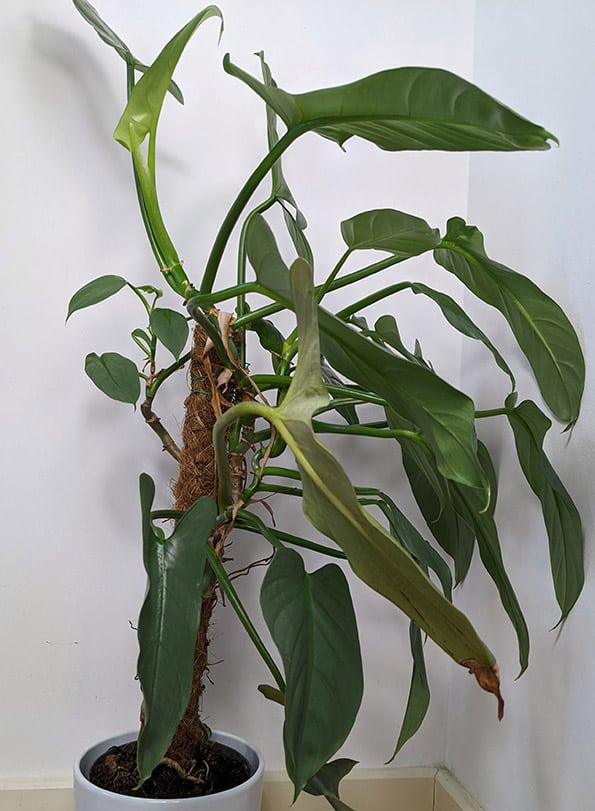
The silver sword philodendron, scientifically known as Philodendron hastatum, is a tropical climbing plant native to South America. It’s named for its elongated, sword-shaped leaves that shimmer in a silvery-blue hue.
Key Characteristics
- Metallic silver-blue foliage
- Arrow or sword-shaped leaves
- Climbing growth habit
- Fast-growing under the right conditions
- Can reach impressive heights indoors
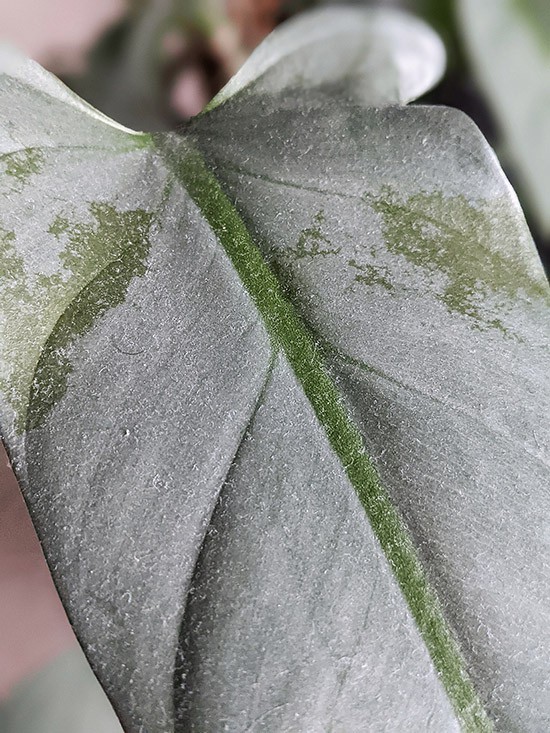
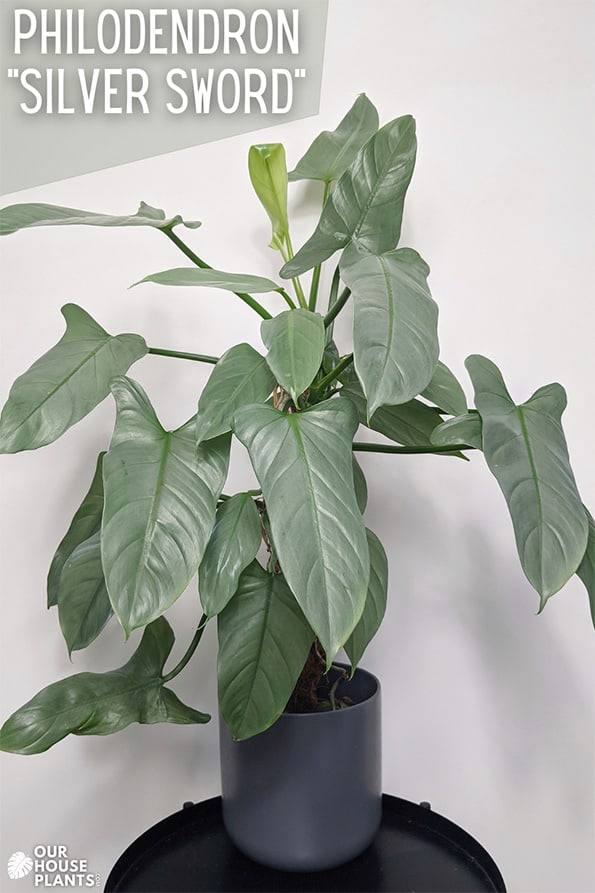

As the plant matures, its leaves become larger and more defined, often developing deeper lobes and a more dramatic appearance.
Why the Silver Sword Philodendron Is So Popular
There’s a reason this plant has become a favorite among houseplant enthusiasts.
Aesthetic Appeal
The silvery sheen gives it a rare, almost metallic look that stands out among typical green foliage.
Easy Maintenance
Despite its exotic appearance, the silver sword philodendron is relatively low-maintenance compared to other rare plants.
Versatility
It works well as:
- A climbing plant with a moss pole
- A trailing plant in hanging baskets
- A centerpiece in indoor plant displays
Ideal Growing Conditions for Silver Sword Philodendron
Understanding the natural habitat of the silver sword philodendron helps you recreate the perfect environment indoors.
Light Requirements
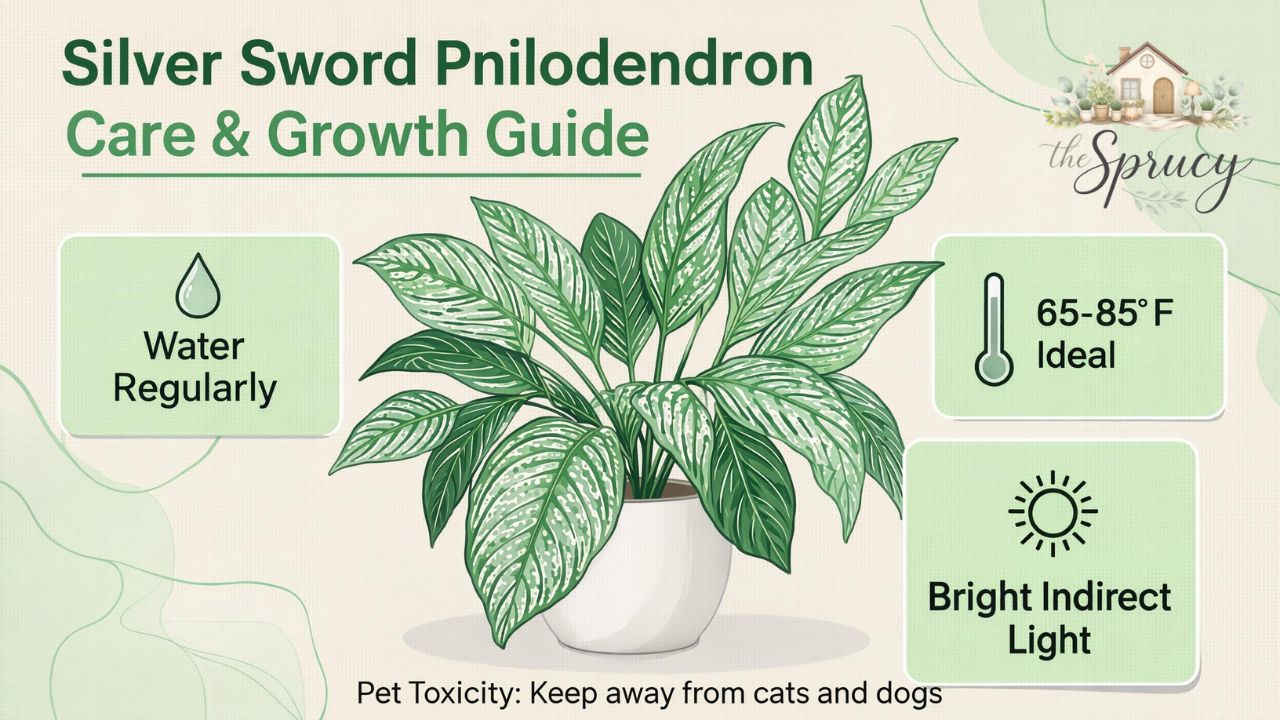
This plant thrives in bright, indirect light.
- Best: Near east or north-facing windows
- Avoid: Direct harsh sunlight (can scorch leaves)
- Low light: Tolerated but slows growth
Temperature and Humidity
- Ideal temperature: 18–27°C (65–80°F)
- Prefers moderate to high humidity (50%+)


If your home is dry, consider:
Soil and Potting Needs
The right soil mix ensures proper drainage and healthy roots.
Best Soil Mix
A well-draining, airy mix works best:
- 40% potting soil
- 30% perlite
- 20% orchid bark
- 10% coco coir or peat
Pot Selection
- Use pots with drainage holes
- Terracotta helps prevent overwatering
- Repot every 1–2 years as the plant grows
Watering Guide for Healthy Growth
Watering is where many plant owners go wrong.
How Often to Water
- Water when the top 2–3 inches of soil are dry
- Typically every 7–10 days (varies by climate)
Signs of Overwatering
- Yellowing leaves
- Mushy stems
- Root rot
Signs of Underwatering
- Drooping leaves
- Dry, crispy edges
- Slowed growth
Fertilizing the Silver Sword Philodendron
Feeding your plant encourages lush, vibrant growth.
Best Fertilizer Routine
- Use a balanced liquid fertilizer (10-10-10 or similar)
- Feed every 2–4 weeks during growing season (spring/summer)
- Reduce feeding in fall and winter
Supporting Climbing Growth
The silver sword philodendron is naturally a climber, and supporting it enhances its growth.
Why Use a Moss Pole?
- Encourages larger leaves
- Promotes upright growth
- Mimics natural habitat
How to Train the Plant
- Insert a moss pole into the pot
- Gently tie stems using plant ties
- Keep the pole slightly moist

Propagation Methods
One of the most rewarding aspects of owning a silver sword philodendron is how easy it is to propagate.
Stem Cuttings (Most Common Method)
- Cut below a node with at least one leaf
- Place in water or moist soil
- Keep in bright, indirect light
- Roots develop within 2–4 weeks
Water vs Soil Propagation
- Water: Easier to monitor root growth
- Soil: Faster transition to potting
Common Problems and Solutions
Even hardy plants face occasional issues.
Yellow Leaves
Cause: Overwatering or poor drainage
Solution: Adjust watering and check soil
Brown Leaf Edges
Cause: Low humidity or inconsistent watering
Solution: Increase humidity and maintain routine
Slow Growth
Cause: Low light or lack of nutrients
Solution: Move to brighter spot and fertilize
Pruning and Maintenance
Regular pruning keeps your plant healthy and visually appealing.
When to Prune
- Remove yellow or damaged leaves anytime
- Trim leggy growth in spring
Benefits of Pruning
- Encourages bushier growth
- Prevents disease spread
- Maintains shape
Toxicity and Safety
Like many philodendrons, this plant is toxic if ingested.
Keep Away From:
- Pets (cats and dogs)
- Small children
Symptoms may include:
- Irritation
- Swelling
- Digestive discomfort
Styling Ideas for Your Space
The silver sword philodendron can elevate any interior design.
Placement Ideas
- Living room corner with a moss pole
- Office desk for a modern touch
- Hanging basket for trailing effect
Pairing With Other Plants
Combine with:
- Monstera
- Pothos
- Snake plant
FAQ
Frequently Asked Questions
Is the silver sword philodendron rare?
It was once considered rare, but it’s now more widely available due to increased demand and propagation.
How fast does it grow?
Under ideal conditions, it can grow quickly, especially during spring and summer.
Can it grow in low light?
Yes, but growth will slow and leaves may lose their vibrant color.
How big can it get indoors?
With support, it can reach several feet tall and develop large, mature leaves.
Does it need a moss pole?
Not required, but highly recommended for optimal growth and larger foliage.
Why are my leaves turning yellow?
This is usually due to overwatering or poor drainage.
Can I propagate it in water?
Yes, water propagation is one of the easiest and most popular methods.
How often should I repot?
Every 1–2 years, or when roots outgrow the pot.
Conclusion
The silver sword philodendron is more than just a trendy houseplant—it’s a living piece of art that brings texture, color, and life into your space. With the right care, it rewards you with stunning foliage and steady growth.
Whether you’re just starting your plant journey or expanding an already thriving collection, this plant offers a perfect balance of beauty and ease. Give it the attention it deserves, and it will quickly become one of the most striking plants in your home.