

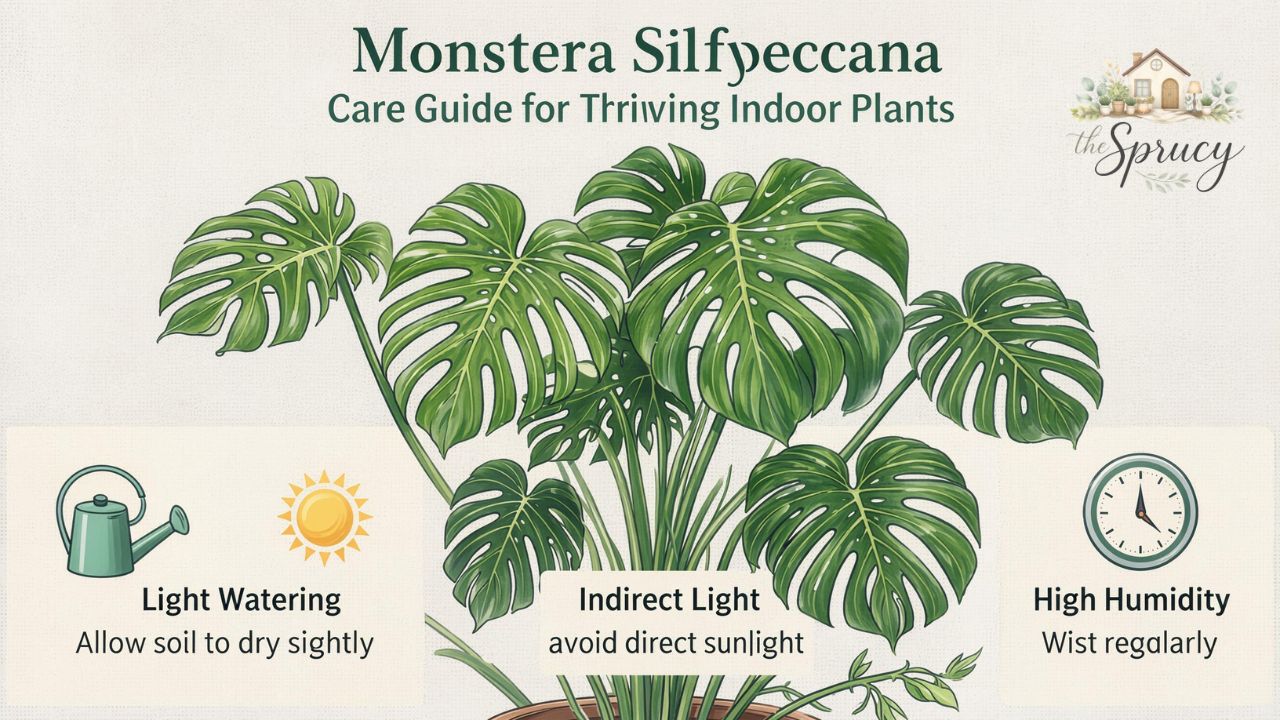
Introduction
There’s something quietly magical about a plant that changes its appearance as it grows—and monstera siltepecana is one of those rare botanical gems. With its shimmering silver leaves and climbing nature, it captures attention without demanding the spotlight.
If you’ve ever wanted a plant that evolves alongside you, monstera siltepecana is worth knowing. From its delicate juvenile foliage to its mature, fenestrated leaves, it offers a journey—not just a static display. And the best part? It’s surprisingly manageable indoors with the right care.
In this guide, you’ll learn everything you need to grow, style, and truly enjoy this unique houseplant. Whether you’re a beginner or a seasoned plant enthusiast, understanding this species can elevate your indoor garden in ways you might not expect.
What Is Monstera Siltepecana?
Monstera siltepecana is a tropical climbing plant native to Central America, particularly regions of Mexico. It belongs to the Araceae family—the same group as other popular Monsteras—but stands out for its distinct leaf pattern and growth habit.
Key Characteristics
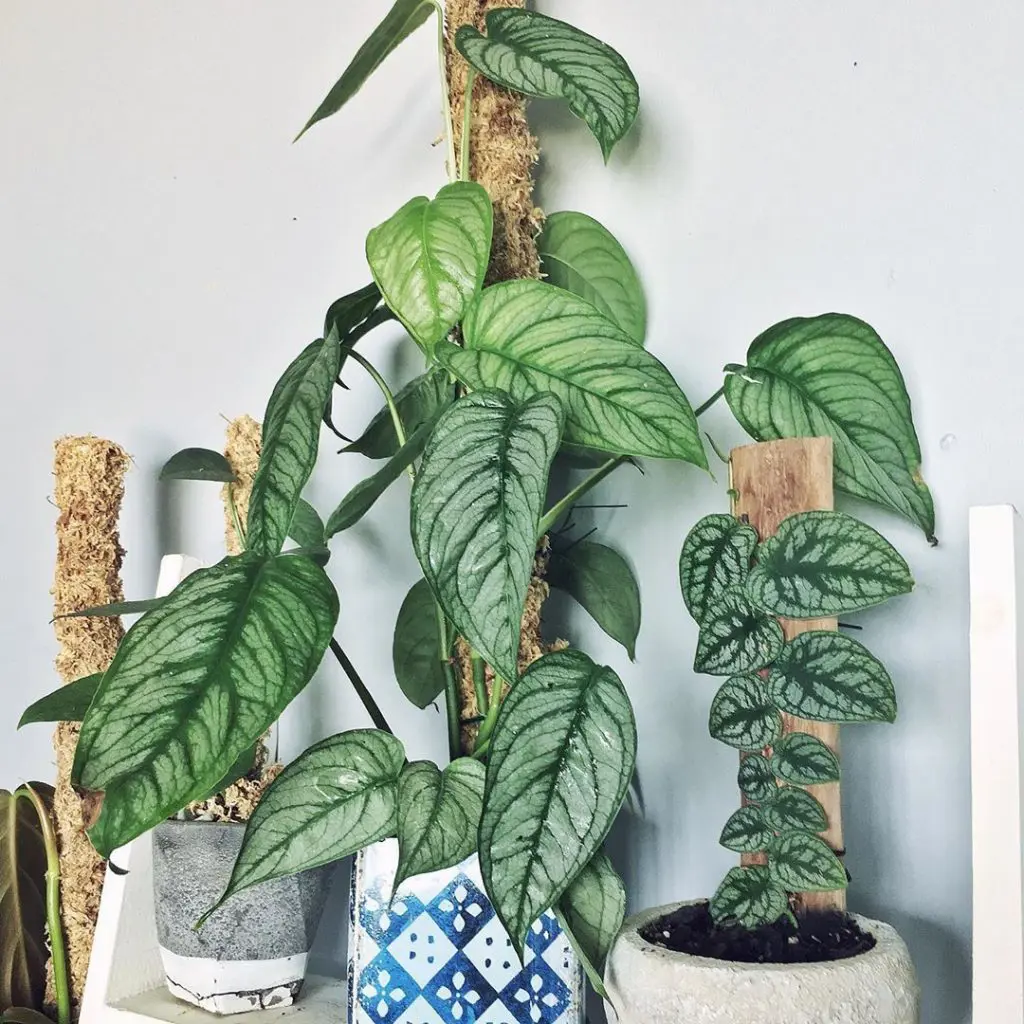
- Juvenile leaves: Silver with dark green veins
- Mature leaves: Develop splits (fenestrations) when allowed to climb
- Growth style: Climber or trailing plant
- Size: Can grow several feet indoors with support
Unlike the more common Monstera deliciosa, this variety starts off small and subtle, making it ideal for compact spaces before it matures into something more dramatic.

Why Monstera Siltepecana Is Gaining Popularity
In recent years, monstera siltepecana has quietly risen in popularity—and for good reason.
Unique Aesthetic Appeal
Its silvery sheen gives it a refined, almost metallic look that contrasts beautifully with other green plants. It’s subtle yet eye-catching.
Growth Transformation
Few houseplants undergo such a noticeable transformation. Watching it evolve from a trailing vine into a climbing plant with split leaves adds a sense of progression to your indoor garden.
Versatility in Styling
You can:
- Let it trail from shelves
- Train it up a moss pole
- Use it in hanging baskets
This flexibility makes it suitable for nearly any interior design style. “Discover Techoelite Smart Homes, where innovation meets comfort. Explore cutting-edge home automation solutions designed for modern living, efficiency, and security.”
Ideal Growing Conditions for Monstera Siltepecana
Understanding the environment this plant prefers is the key to helping it thrive.
Light Requirements
Monstera siltepecana prefers bright, indirect light.
- Avoid direct sunlight—it can scorch the leaves
- Too little light may cause leggy growth and loss of vibrancy
A spot near an east- or north-facing window works beautifully.
Temperature and Humidity
Being tropical, it thrives in warm, humid conditions.
- Temperature: 18–27°C (65–80°F)
- Humidity: Moderate to high (50%+ preferred)
If your home is dry, consider:
- Using a humidifier
- Grouping plants together
- Placing a tray of water nearby


Soil and Potting Needs
The right soil mix can make all the difference.
Ideal Soil Mix
Use a well-draining, airy mix:
- 1 part potting soil
- 1 part perlite
- 1 part orchid bark
This combination allows roots to breathe while retaining enough moisture.
Pot Selection
Choose a pot with drainage holes. Terracotta pots are especially helpful because they:
- Prevent overwatering
- Allow moisture to evaporate
Watering Monstera Siltepecana Properly
Watering is where many plant owners struggle—but it doesn’t have to be complicated.
How Often to Water
- Water when the top 2–3 cm of soil feels dry
- Typically once every 7–10 days (adjust based on climate)
Signs of Overwatering
- Yellowing leaves
- Mushy stems
- Root rot smell
Signs of Underwatering
- Dry, crispy edges
- Drooping leaves
The key is consistency—not perfectio
Fertilizing for Healthy Growth
To keep your monstera siltepecana vibrant and growing, regular feeding helps.
Fertilizer Tips
- Use a balanced liquid fertilizer (once a month during growing season)
- Reduce feeding in winter
- Avoid over-fertilizing—it can burn roots
A gentle, consistent routine works best.
Supporting Growth: Climbing vs Trailing
One of the most exciting aspects of monstera siltepecana is how it responds to support.
Climbing Growth
When given a moss pole or trellis:
- Leaves grow larger
- Fenestrations (splits) may appear
- Overall plant looks more mature
Trailing Growth
If left unsupported:
- Stays in juvenile form
- Leaves remain smaller and solid
Your choice depends on the look you prefer.
Propagation Guide
Propagating monstera siltepecana is both easy and rewarding.
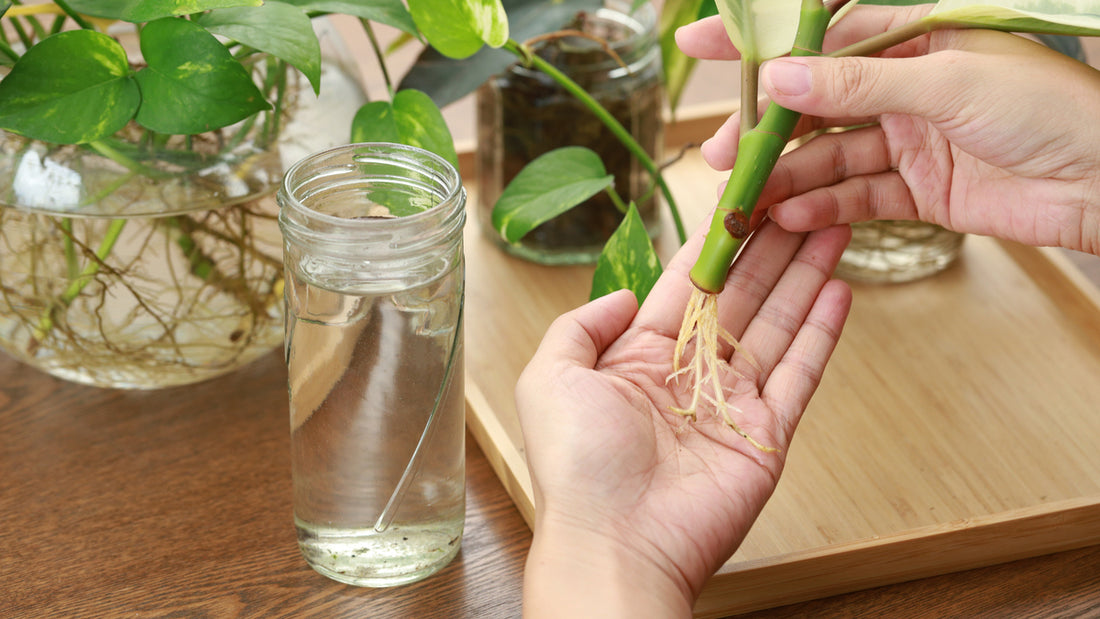
Stem Cutting Method
- Cut below a node
- Place in water or moist soil
- Keep in bright, indirect light
- Wait for roots to develop (2–4 weeks)
Tips for Success
- Use clean, sharp scissors
- Change water regularly if propagating in water
- Be patient—roots take time


Common Problems and How to Fix Them
Even a hardy plant like monstera siltepecana can face issues.
Yellow Leaves
Cause: Overwatering or poor drainage
Solution: Check soil moisture and improve drainage
Leggy Growth
Cause: Insufficient light
Solution: Move to a brighter location
Pests
Common pests include:
- Spider mites
- Mealybugs
Fix: Use neem oil or insecticidal soap regularl
Styling Ideas for Monstera Siltepecana
This plant isn’t just about care—it’s also about aesthetics.
Minimalist Look
Place it in a simple white or neutral pot and let its silver leaves stand out.
Jungle Vibe
Pair it with:
- Philodendrons
- Ferns
- Pothos
Vertical Statement
Train it up a moss pole to create a living sculpture effect.
FAQ About Monstera Siltepecana
Frequently Asked Questions
Is monstera siltepecana rare?
It used to be considered rare, but it’s now more widely available through nurseries and online plant shops.
How fast does monstera siltepecana grow?
With proper care, it grows at a moderate pace, especially during spring and summer.
Does monstera siltepecana need a moss pole?
Not necessarily, but providing one encourages larger leaves and mature growth.
Can monstera siltepecana grow in low light?
It can survive in low light but won’t thrive. Growth may slow, and leaves may lose their vibrancy.
Is monstera siltepecana toxic to pets?
Yes, like most Monsteras, it can be toxic if ingested by pets.
Why are my monstera siltepecana leaves turning yellow?
This is often due to overwatering or poor drainage.
Can I grow monstera siltepecana in water?
Yes, it can grow in water temporarily, especially during propagation, but long-term soil growth is better.
How do I encourage fenestrations?
Provide climbing support, bright light, and consistent care.
Conclusion
Monstera siltepecana is more than just a houseplant—it’s a living transformation. From its shimmering juvenile leaves to its mature, split foliage, it offers a dynamic growing experience that keeps things interesting over time.
With the right balance of light, water, and support, this plant rewards you with both beauty and growth. Whether you let it trail elegantly or train it to climb, it adapts to your space while adding a touch of tropical sophistication.
If you’re looking for a plant that evolves, surprises, and quietly elevates your indoor environment, monstera siltepecana might just become your new favorite.