


Introduction
There’s something undeniably captivating about a plant that shimmers like velvet under soft light. That’s exactly why philodendron micans has become a favorite among houseplant lovers. Its heart-shaped leaves, with their rich, velvety texture and color-shifting tones, bring warmth and elegance into any space.
If you’ve ever struggled to keep indoor plants thriving—or simply want something that looks luxurious without demanding constant attention—this plant might just be your perfect match. The beauty of philodendron micans lies not only in its appearance but also in how forgiving and adaptable it is.
In this guide, you’ll learn everything you need to know to grow, care for, and truly enjoy this stunning trailing plant—whether you’re a beginner or a seasoned plant parent.
What Is Philodendron Micans?
Philodendron micans, often called the velvet leaf philodendron, is a tropical trailing plant native to Central and South America. It belongs to the Araceae family and is known for its soft, iridescent foliage that shifts between green, bronze, and deep burgundy depending on the light.
Key Characteristics
- Velvety, heart-shaped leaves
- Trailing or climbing growth habit
- Color variations from green to bronze
- Easy-care indoor plant
- Fast-growing under the right conditions


One of the most appealing aspects of this plant is how it transforms a room. Whether cascading from a shelf or climbing a moss pole, it adds depth and texture that few houseplants can match.
Why Philodendron Micans Is So Popular
Aesthetic Appeal
The leaves of philodendron micans have a unique sheen that reflects light differently throughout the day. This gives the plant a dynamic, almost magical appearance.
Low Maintenance Nature
Unlike many tropical plants, it doesn’t require constant attention. It adapts well to indoor environments and tolerates occasional neglect.
Versatile Placement
You can grow it in:
- Hanging baskets
- Shelf displays
- Climbing structures
- Desk pots
This flexibility makes it ideal for both small apartments and larger homes.
Light Requirements for Philodendron Micans
Ideal Lighting Conditions
Philodendron micans thrives in bright, indirect light. Direct sunlight can scorch its delicate leaves, while too little light can slow growth.
Best Placement Tips
- Near east- or north-facing windows
- Filtered light through curtains
- Avoid harsh afternoon sun
Signs of Improper Lighting
- Too much light: faded or burnt leaves
- Too little light: leggy growth and smaller leaves
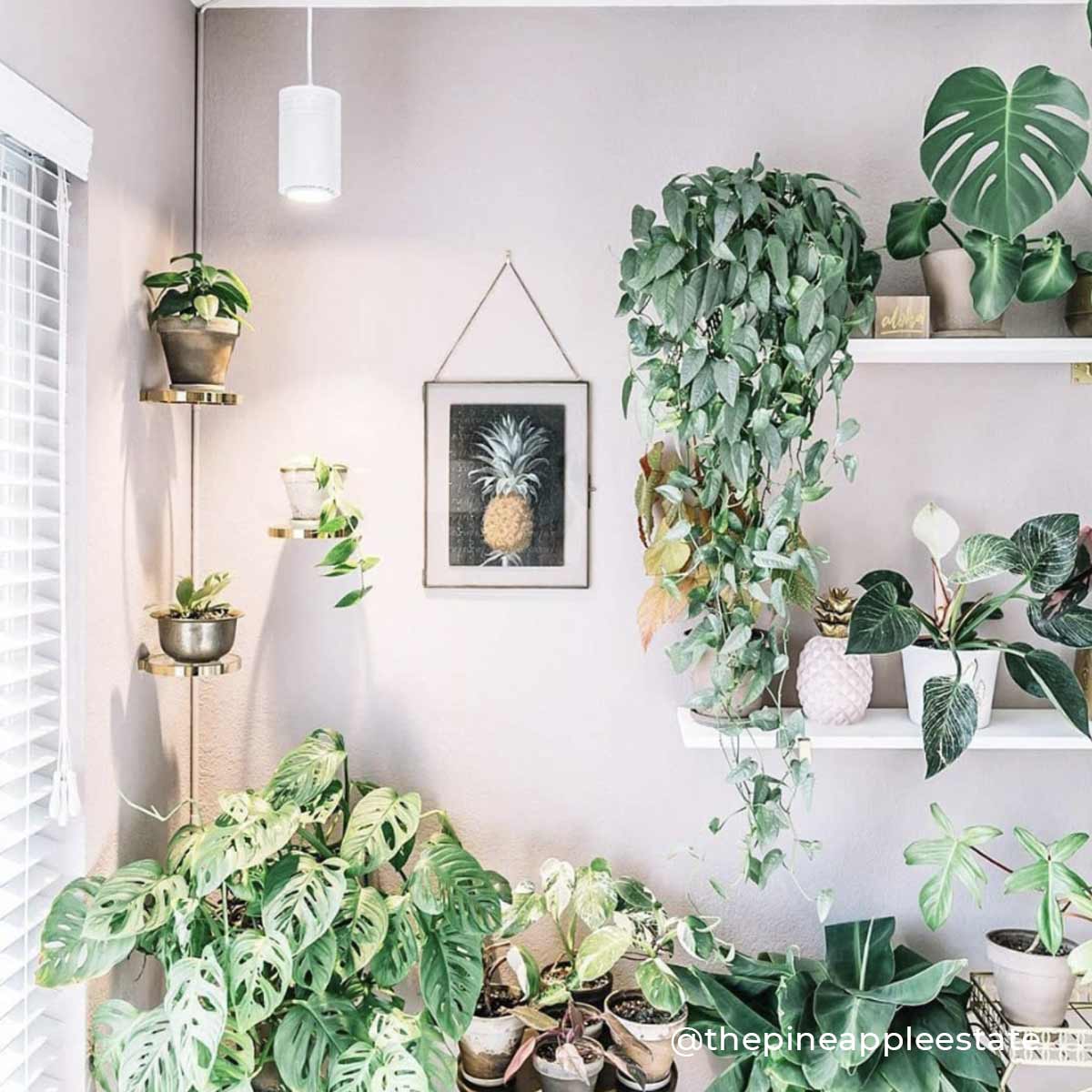
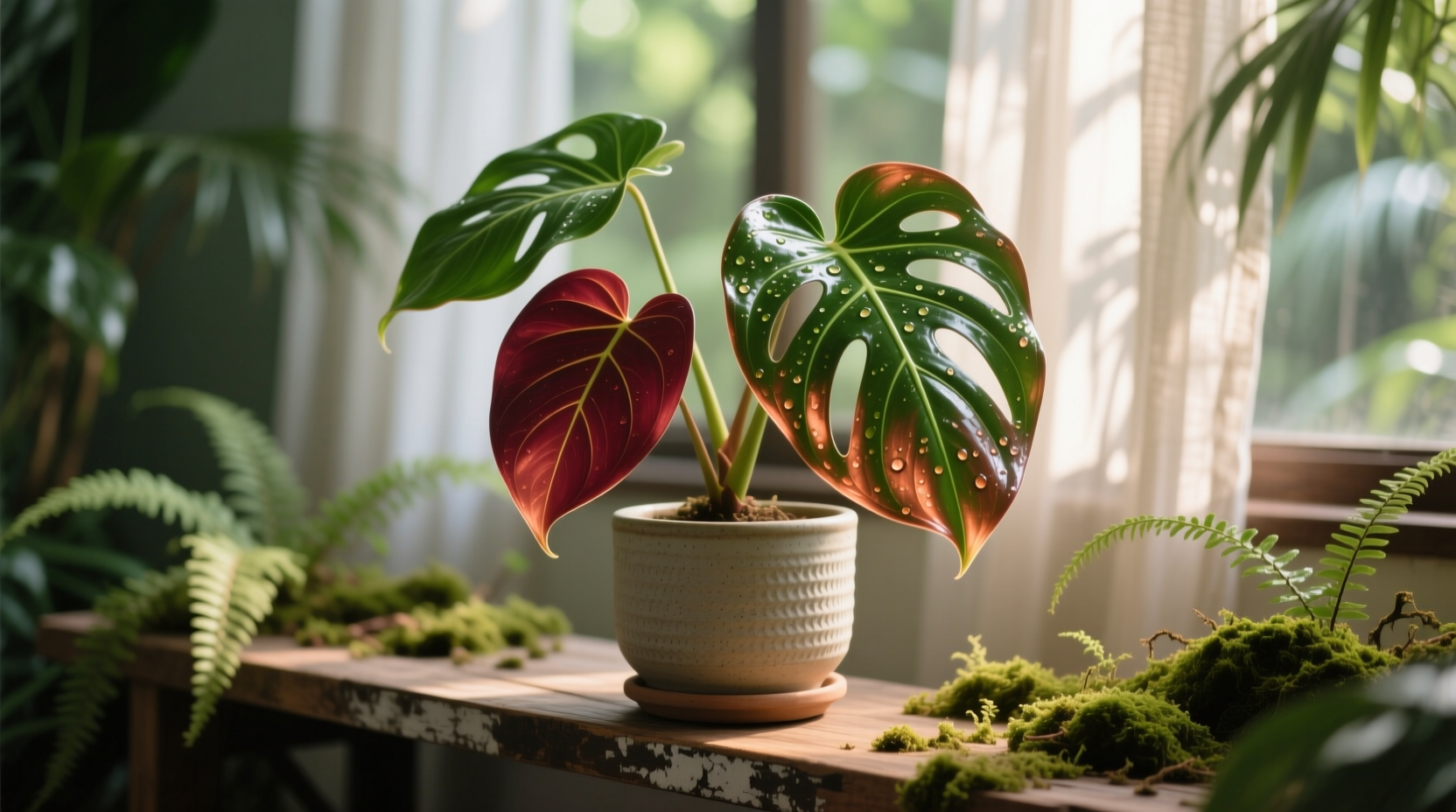
Finding the right balance is key—once you do, the plant rewards you with lush, vibrant growth.
Watering Guide
How Often to Water
Water your philodendron micans when the top 1–2 inches of soil feel dry. Overwatering is one of the most common mistakes.
Watering Tips
- Use room-temperature water
- Ensure proper drainage
- Empty excess water from trays
Signs of Watering Issues
Overwatering:
- Yellowing leaves
- Mushy stems
- Root rot
Underwatering:
- Drooping leaves
- Dry, crispy edges
Consistency matters more than frequency—adjust based on your environment.
Soil and Potting Needs
Best Soil Mix
Philodendron micans prefers a well-draining, airy soil mix. A good combination includes:
- Potting soil
- Perlite
- Orchid bark
Pot Selection
Choose a pot with drainage holes to prevent water buildup. Terracotta pots are great for moisture control.
Temperature and Humidity
Ideal Conditions
- Temperature: 18–27°C (65–80°F)
- Humidity: Moderate to high
Boosting Humidity
- Use a humidifier
- Place near other plants
- Mist occasionally (but not excessively)
While it tolerates average indoor humidity, higher levels encourage fuller, healthier growth.
Fertilizing Philodendron Micans
When to Fertilize
Feed your plant during the growing season (spring and summer) every 4–6 weeks.
Best Fertilizer Type
- Balanced liquid fertilizer
- Diluted to half strength
Avoid over-fertilizing, as it can damage roots and cause leaf burn.
Pruning and Maintenance
Why Pruning Matters
Pruning helps maintain shape and encourages bushier growth.
How to Prune
- Use clean, sharp scissors
- Cut just above a node
- Remove dead or yellowing leaves
Regular maintenance keeps your philodendron micans looking lush and full.
Propagation Made Simple
One of the most rewarding aspects of philodendron micans is how easy it is to propagate.
Step-by-Step Propagation
- Cut a stem with at least one node
- Place it in water or moist soil
- Keep in bright, indirect light
- Wait for roots to develop (2–4 weeks)

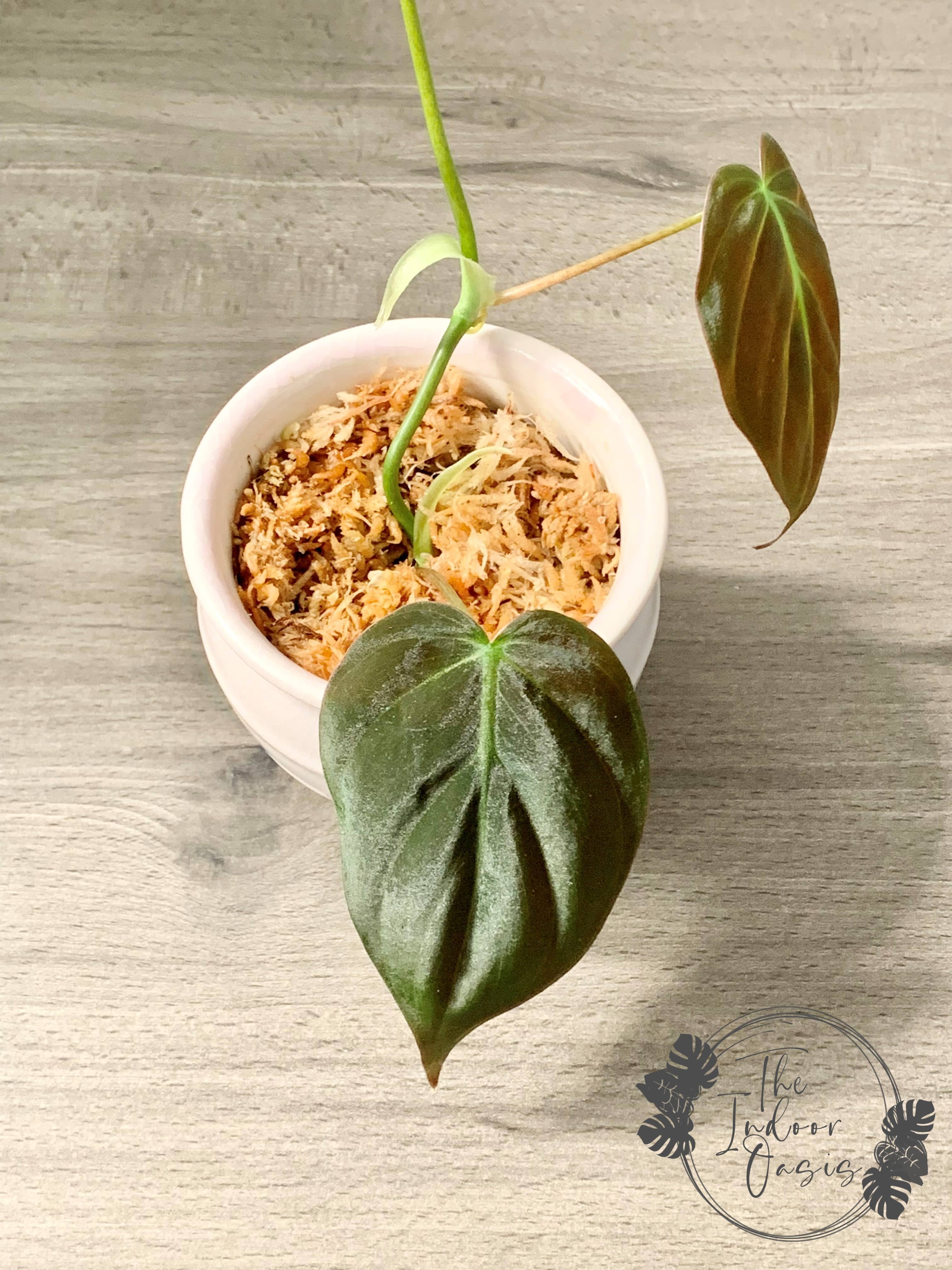

Once roots are established, transfer the cutting to soil and watch it grow into a new plant.
Common Problems and Solutions
Yellow Leaves
Usually caused by overwatering or poor drainage.
Leggy Growth
Indicates insufficient light—move the plant closer to a light source.
Brown Tips
Often due to low humidity or inconsistent watering.
Pests
Watch out for:
- Spider mites
- Mealybugs
- Aphids
Treat infestations early with neem oil or insecticidal soap.
Styling and Decorating with Philodendron Micans
Interior Design Ideas
- Let it trail from floating shelves
- Pair with white or ceramic pots for contrast
- Use as a centerpiece on plant stands
Best Pairings
Combine with:
- Monstera
- Pothos
- Snake plants
Its rich tones complement lighter green foliage beautifully.
Benefits of Growing Philodendron Micans
Air Quality Improvement
Like many houseplants, it can help improve indoor air quality.
Mood Enhancement
Plants are known to reduce stress and boost well-being.
Beginner-Friendly
Its forgiving nature makes it ideal for new plant owners.
FAQ
What makes philodendron micans different from other philodendrons?
Its velvety leaves and color-changing appearance set it apart from glossy-leaf varieties.
Can philodendron micans grow in low light?
Yes, but growth may slow and become leggy. Bright, indirect light is best.
How fast does philodendron micans grow?
It grows moderately fast, especially during spring and summer.
Is philodendron micans toxic to pets?
Yes, it is toxic if ingested, so keep it out of reach of pets and children.
Should I mist my philodendron micans?
Occasional misting is fine, but consistent humidity is more effective.
Can I grow philodendron micans in water permanently?
It can survive in water, but soil provides better long-term growth.
Why are my philodendron micans leaves losing color?
This is often due to too much direct sunlight or nutrient imbalance.
How do I make my plant fuller?
Regular pruning and proper lighting encourage bushier growth.
Conclusion
There’s a reason why philodendron micans continues to win hearts among plant enthusiasts. It strikes that rare balance between beauty and simplicity—offering stunning, velvety foliage without demanding constant care.
Whether you’re decorating your home, building your indoor jungle, or just starting your plant journey, this plant delivers both style and satisfaction. With the right light, watering routine, and a bit of attention, your philodendron micans can thrive and become a standout feature in your space.
Once you see those leaves shimmer in the light, you’ll understand why so many people fall in love with it.