

Introduction
There’s something instantly calming about the scent of lavender drifting through the air—but spanish lavender brings a unique charm that sets it apart from the rest. With its distinctive “rabbit ear” blooms and bold personality, this plant has become a favorite among gardeners and plant lovers alike.
Whether you’re creating a peaceful backyard retreat or adding a touch of Mediterranean elegance to your home, understanding how to grow and care for spanish lavender can make all the difference. It’s not just beautiful—it’s practical, resilient, and surprisingly easy to maintain.
In this guide, you’ll discover everything you need to know about spanish lavender—from planting and care to benefits and creative uses—so you can enjoy its beauty year-round.
What Is Spanish Lavender?
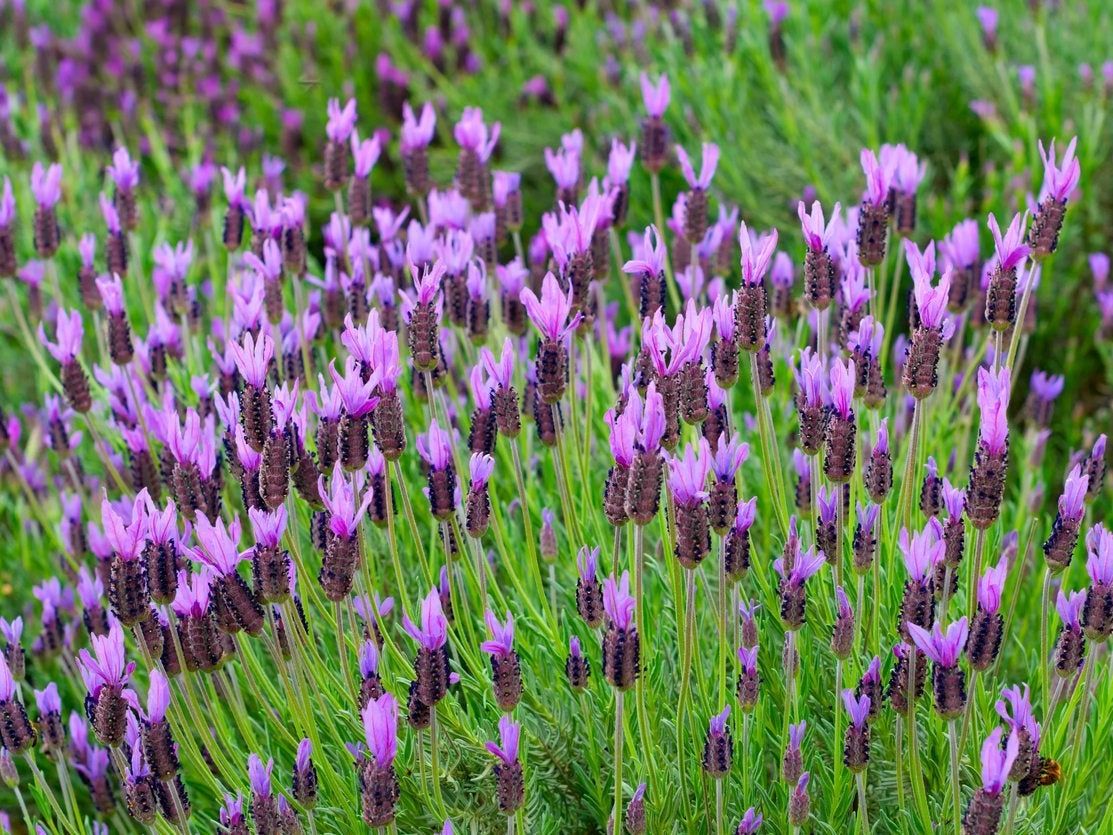
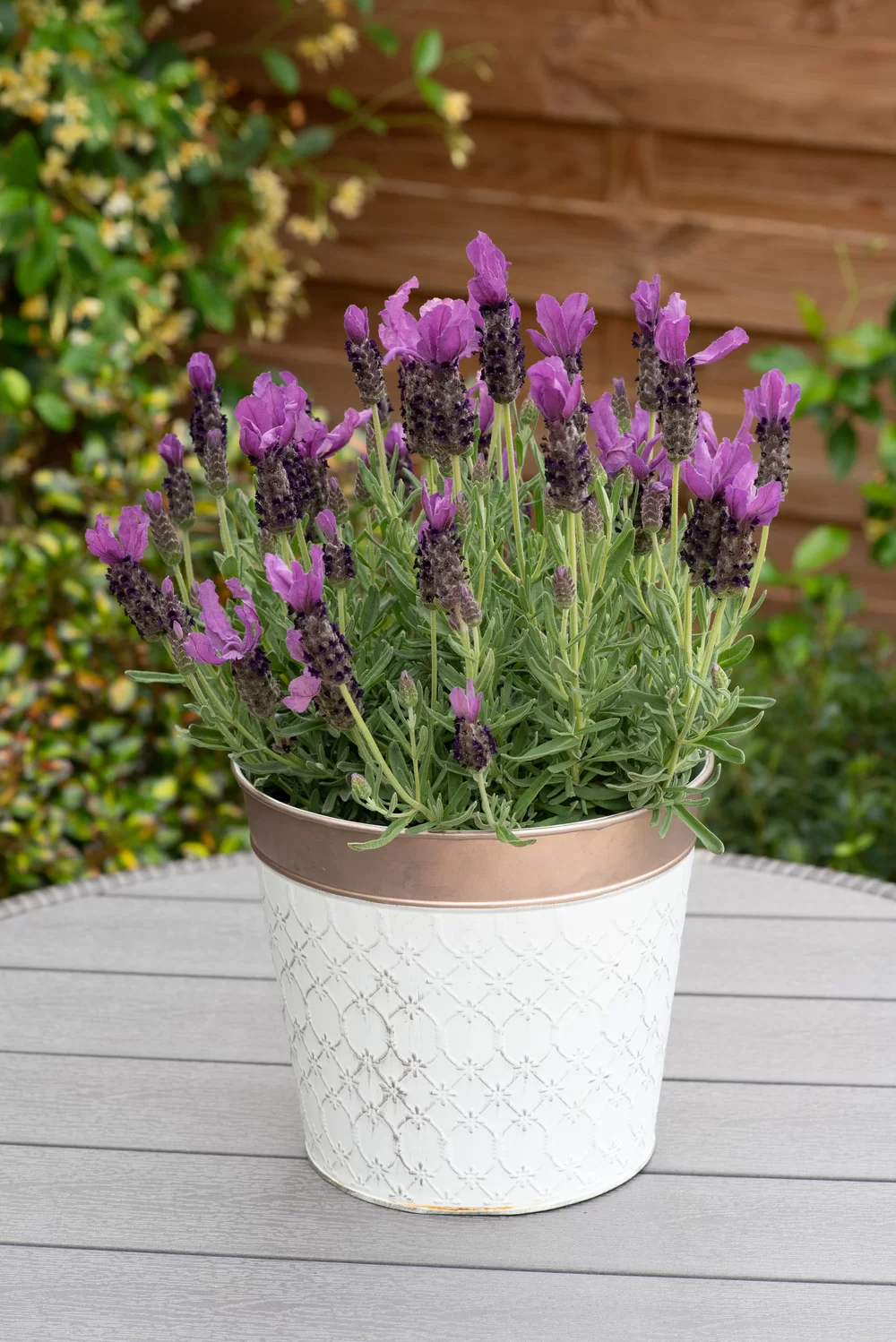
Spanish lavender, scientifically known as Lavandula stoechas, is a flowering plant native to the Mediterranean region. It stands out from other lavender varieties because of its unique flower heads topped with petal-like bracts that resemble tiny butterfly wings.
Unlike traditional English lavender, spanish lavender thrives in warmer climates and is more tolerant of heat and drought. Its bold appearance and strong fragrance make it a popular choice for ornamental gardens.
Key Characteristics
- Distinctive “pinecone-shaped” blooms
- Bright purple, pink, or white flowers
- Aromatic foliage
- Compact, bushy growth habit
- Long blooming season in warm climates
Benefits of Growing Spanish Lavender
Spanish lavender isn’t just visually appealing—it offers a range of practical benefits that make it a must-have plant.
Natural Fragrance and Aromatherapy
The strong, soothing scent of spanish lavender is widely used in aromatherapy. It can help reduce stress, improve sleep quality, and create a calming environment.
Low Maintenance and Drought Tolerant
One of the biggest advantages of spanish lavender is its resilience. It thrives in dry conditions and doesn’t require frequent watering, making it ideal for busy gardeners.
Attracts Pollinators
Bees and butterflies are naturally drawn to spanish lavender, helping support local ecosystems and improve pollination in your garden.

Versatile Landscaping Plant
From borders and containers to rock gardens, spanish lavender adapts well to various landscaping styles.
How to Grow Spanish Lavender Successfully
Growing spanish lavender is relatively simple when you understand its natural preferences.
Ideal Climate and Conditions
Spanish lavender thrives in warm, sunny environments similar to its Mediterranean origins.
Best conditions include:
- Full sunlight (6–8 hours daily)
- Well-drained soil
- Low humidity
- Mild winters
Soil Requirements
Good drainage is critical. Spanish lavender does not tolerate waterlogged soil.
Ideal soil mix:
- Sandy or gravelly soil
- Slightly alkaline pH
- Loose, airy texture
Planting Tips
- Space plants about 18–24 inches apart
- Plant in raised beds or containers if drainage is poor
- Avoid overcrowding
Spanish Lavender Care Guide
Proper care ensures your plant remains healthy and vibrant throughout the year.
Watering Needs
Spanish lavender prefers dry conditions over excessive moisture.
Watering tips:
- Water deeply but infrequently
- Allow soil to dry between watering
- Reduce watering in winter
Pruning and Maintenance
Regular pruning encourages new growth and maintains shape.
- Trim after flowering
- Remove dead or woody stems
- Avoid cutting into old wood
Fertilizing
Spanish lavender doesn’t require heavy feeding.
- Use minimal fertilizer
- Overfeeding can reduce flowering
- Compost is usually sufficient
Common Problems and How to Fix Them
Even hardy plants like spanish lavender can face occasional issues.
Root Rot
Cause: Overwatering or poor drainage
Solution: Improve soil drainage and reduce watering
Lack of Blooms
Cause: Too much fertilizer or insufficient sunlight
Solution: Increase sun exposure and reduce feeding
Pests
Though relatively resistant, spanish lavender may occasionally attract:
- Aphids
- Spider mites
Use natural remedies like neem oil if needed.
Indoor vs Outdoor Growing
Spanish lavender can be grown both indoors and outdoors, but conditions must be adjusted accordingly.
Growing Outdoors
- Best suited for warm climates
- Ideal for gardens, borders, and landscaping
- Requires minimal care once established
Growing Indoors
- Needs bright, direct sunlight
- Place near a south-facing window
- Use well-draining pots
Creative Uses of Spanish Lavender
Spanish lavender isn’t just for gardens—it has many practical and decorative uses.
Home Décor
Dried spanish lavender can be used in:
- Bouquets
- Wreaths
- Potpourri
Essential Oils and Fragrance
While not as commonly used as English lavender, spanish lavender still offers aromatic benefits for:
- Relaxation
- Stress relief
- Natural home fragrance
Culinary Use (With Caution)
Some varieties can be used in cooking, but spanish lavender has a stronger flavor and should be used sparingly.
Landscaping Ideas with Spanish Lavender
Spanish lavender adds texture, color, and fragrance to any outdoor space.

Popular Design Ideas
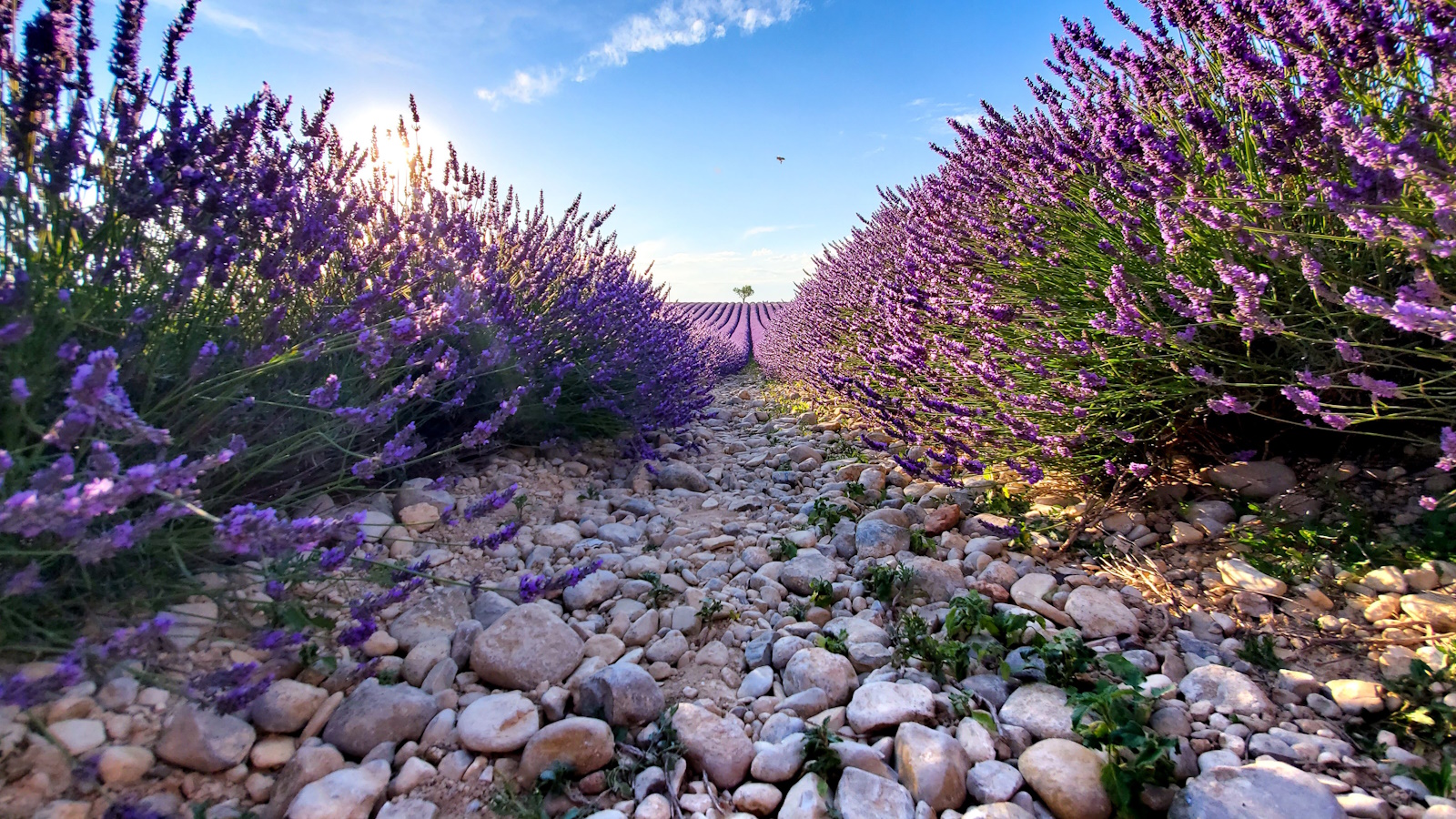
- Mediterranean-style gardens
- Rock gardens
- Pathway borders
- Container gardening
Companion Plants
Pair spanish lavender with:
- Rosemary
- Thyme
- Sage
- Succulents
These plants share similar growing conditions and complement each other beautifully.
Propagation Methods
If you want more plants without buying new ones, propagation is a great option.
From Cuttings
- Take softwood cuttings in spring
- Remove lower leaves
- Place in moist soil
- Keep in a warm, bright area
From Seeds
- Slower method
- Requires patience
- Best started indoors
Seasonal Care Tips
Understanding seasonal changes helps maintain healthy spanish lavender.
Spring
- Prune lightly
- Start fertilizing
- Encourage new growth
Summer
- Monitor watering
- Enjoy peak blooms
Fall
- Reduce watering
- Prepare for dormancy
Winter
- Protect from frost
- Keep soil dry
FAQ Section
Frequently Asked Questions
What makes spanish lavender different from other lavender types?
Spanish lavender has unique flower heads with petal-like bracts, giving it a distinctive “rabbit ear” appearance compared to other varieties.
Can spanish lavender survive cold weather?
It prefers warm climates and may struggle in freezing temperatures unless protected.
How often should I water spanish lavender?
Water deeply but infrequently, allowing the soil to dry out between watering sessions.
Is spanish lavender good for beginners?
Yes, spanish lavender is low-maintenance and ideal for beginner gardeners.
Can I grow spanish lavender in pots?
Absolutely. It grows well in containers as long as drainage is excellent.
Does spanish lavender repel insects?
Yes, its strong scent can help deter certain pests like mosquitoes.
How long does spanish lavender bloom?
It typically blooms from spring to early summer, with possible reblooming in warm climates.
Can spanish lavender be used for essential oils?
It can be used, but it’s less common than other lavender varieties for oil production.
Conclusion
Spanish lavender is more than just a beautiful plant—it’s a versatile, resilient, and rewarding addition to any garden or home. With its striking blooms, soothing fragrance, and easy-care nature, it’s no wonder so many people fall in love with it.
By understanding its needs and giving it the right conditions, you can enjoy the charm of spanish lavender for years to come. Whether you’re a seasoned gardener or just starting out, this plant offers a perfect blend of beauty and simplicity that’s hard to resist.