

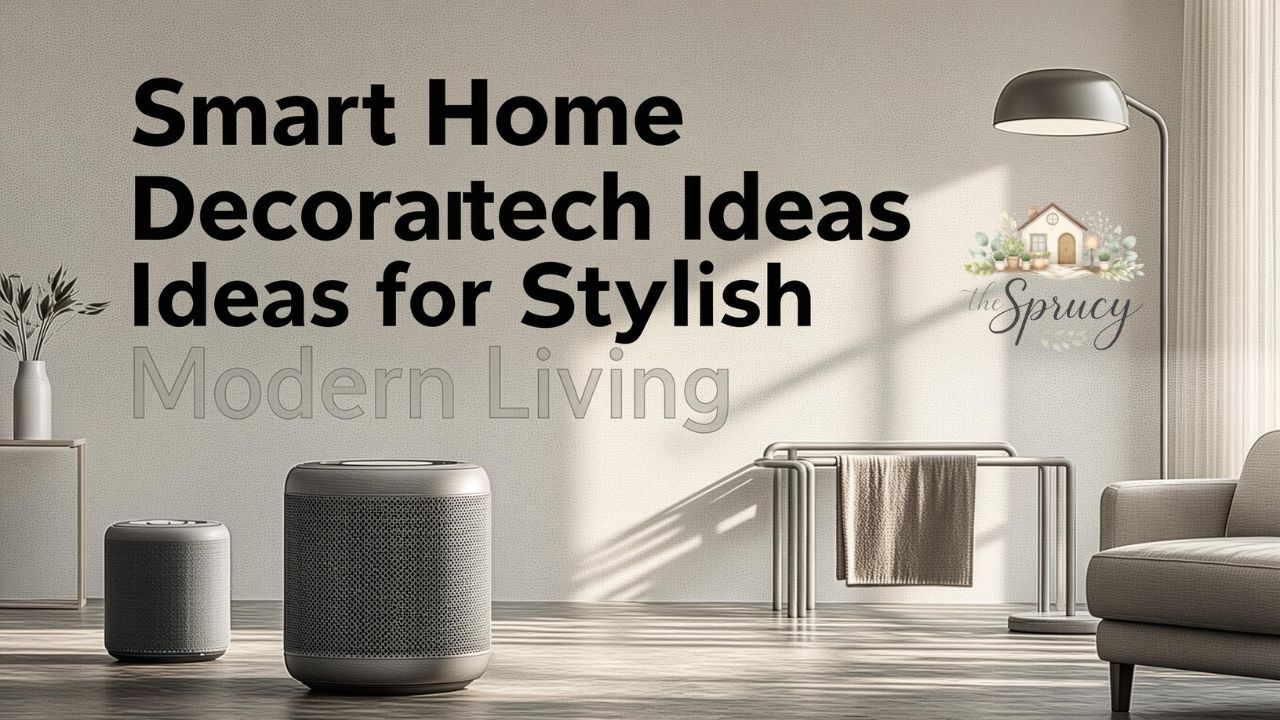
Introduction
A home no longer needs to choose between beauty and intelligence. Today, smart home decoradtech is changing how people design living spaces by combining elegant interiors with connected technology that quietly improves everyday life ✨🏠
What makes this trend so powerful is that it solves two modern needs at once: people want homes that feel warm and personal, but they also want comfort, efficiency, and control. From lighting that adjusts with mood to mirrors that display weather updates, technology is becoming part of design rather than something hidden behind it.
The most successful smart interiors are not filled with gadgets everywhere. Instead, they feel calm, intentional, and naturally modern. The technology works in the background while the room still looks refined and inviting.
As homes become more connected, thoughtful design decisions matter more than ever. Choosing the right devices, finishes, placements, and digital systems can turn a regular room into a space that feels intelligent without losing personality.


Why Smart Home Decoradtech Is Redefining Interior Living
Smart living used to mean adding devices after a room was designed. That approach often created visual clutter. Now the design starts with technology in mind.
A well-planned smart interior uses connected systems as part of the room itself. Lighting strips disappear inside ceiling details. Speakers are built into walls. Charging stations blend into furniture. Climate control panels match wall finishes.
The Shift From Visible Gadgets to Invisible Intelligence
In earlier smart homes, technology often stood out too much. Large hubs, visible wires, and mismatched accessories disrupted aesthetics.
Today, the goal is subtle integration:
- Wireless systems reduce cable exposure
- Minimal control panels replace multiple switches
- Voice systems remove the need for visible controls
- Compact sensors disappear into architecture
This makes the environment feel cleaner and more premium.
Smart Home Decoradtech Supports Daily Comfort
Technology becomes valuable when it quietly improves routines:
- Curtains open automatically in the morning
- Lights soften at sunset
- Air systems regulate temperature room by room
- Security alerts arrive instantly on mobile devices
These small adjustments create a strong emotional impact because comfort becomes effortless.
Smart Lighting as the Foundation of Modern Interiors
Lighting is usually the first place where intelligent design creates a visible difference.
A room can completely change character depending on brightness, warmth, and timing. Smart lighting allows every setting to adapt instantly.
Layered Lighting Creates Mood and Function
A good smart lighting plan includes three levels:
- Ambient light for overall visibility
- Task lighting for work or reading
- Accent lighting for architectural focus
Instead of one harsh ceiling light, multiple zones create depth.


Best Smart Lighting Features for Interior Harmony
Useful smart lighting options include:
- Adjustable white temperature
- Scheduled scenes
- Motion activation
- Voice dimming
- Mobile control
Warm light in evenings creates calm, while cooler tones improve focus during the day.
Decorative Fixtures With Integrated Intelligence
Pendant lights, floor lamps, and wall fixtures now include smart control systems directly inside elegant designs.
This means decorative lighting no longer needs external smart plugs in many cases.
Furniture That Supports Connected Living
Furniture now carries more technological responsibility than before.
Tables, beds, mirrors, and shelving units increasingly include hidden functionality.
Smart Furniture That Feels Natural
Useful examples include:
- Side tables with wireless charging
- Beds with sleep tracking
- Coffee tables with hidden charging drawers
- Mirrors with lighting and information display
The strongest designs hide their technical features until needed.
Material Choice Matters More in Smart Spaces
Technology works best when paired with calming materials:
- Natural wood softens digital environments
- Matte finishes reduce visual tension
- Neutral fabrics balance device presence
- Glass adds light reflection for digital displays
The goal is emotional warmth, not technical coldness.
Kitchen Spaces and Intelligent Design
The kitchen has become one of the strongest areas for practical integration because daily routines happen there constantly.
Smart Appliances That Improve Design Flow
Modern kitchens now include:
- Refrigerators with inventory screens
- Ovens controlled remotely
- Touch-free faucets
- Voice-controlled coffee systems
These features save time while maintaining clean visual lines.
Countertop Minimalism Through Better Device Planning
A smart kitchen looks better when fewer standalone items remain visible.
Built-in charging points, concealed sockets, and integrated controls keep surfaces clean.


Smart Home Decoradtech for Bedrooms That Feel Restful
Bedrooms require technology that supports calm rather than stimulation.
Sleep-Friendly Automation
Good bedroom automation includes:
- Gradual wake-up lighting
- Quiet climate adjustment
- Automated blackout curtains
- Low-glow nighttime pathways
This creates comfort without disturbing sleep cycles.
Hidden Technology Protects Relaxation
Screens should not dominate bedroom design.
Instead:
- Use concealed TV systems
- Install hidden charging drawers
- Choose bedside lamps with integrated controls
A restful room still benefits from technology when it stays visually soft.
Smart Bathrooms and Everyday Luxury
Bathrooms now reflect some of the most noticeable design upgrades.
Features That Add Immediate Value
Popular smart additions include:
- Heated mirrors
- Motion lighting
- Smart temperature control
- Sensor faucets
- Automatic ventilation systems
These features improve both hygiene and comfort.
Mirrors as Functional Design Centers
A smart mirror can combine:
- Soft lighting
- Weather display
- Clock integration
- Defogging technology
This makes one object perform several roles elegantly.
Voice Control Without Visual Disruption
Voice assistants changed how rooms are controlled because they remove physical friction.
Best Placement for Voice Devices
To preserve aesthetics:
- Place speakers near shelves
- Use matching finishes
- Avoid central visual dominance
Devices should blend with books, ceramics, or decorative pieces.
Commands That Actually Improve Daily Living
Useful voice routines include:
- Morning lighting activation
- Temperature adjustment
- Music scenes
- Security checks
Voice control works best when tied to real habits.
Color Strategy for Smart Interiors
Technology influences color more than many people realize.
Best Colors for Balanced Smart Interiors
Recommended palettes include:
- Soft beige
- Warm grey
- Sand white
- Deep olive accents
- Charcoal details
These tones absorb digital elements naturally.
Avoid Overly Cold Visual Language
Too much metallic or bright white can make a room feel clinical.
Soft finishes create emotional balance.
Security as Part of Interior Planning
Security devices are now design elements too.
Elegant Security Integration
Strong options include:
- Minimal door cameras
- Flush-mounted sensors
- Hidden alarm units
Good placement prevents visual distraction.
Exterior Entry Design Matters Too
Door hardware, lighting, and surveillance should visually match the home’s exterior style.
Smart Home Decoradtech for Small Homes
Small homes often benefit even more because every object must work harder.
Multipurpose Smart Solutions
Ideal choices:
- Foldable desks with charging
- Smart vertical lighting
- Compact climate systems
- Hidden media control
Reducing Clutter Through Automation
When fewer manual accessories are needed, space feels larger.
FAQ
Frequently Asked Questions
Is smart home decoradtech expensive to start with?
Not always. Many people begin with lighting, plugs, or one voice assistant before expanding gradually.
Which room should be upgraded first?
The living room usually creates the fastest visible improvement because lighting and comfort changes are immediate.
Can smart interiors still feel warm and personal?
Yes. Natural materials, textiles, and balanced colors prevent technology from feeling cold.
Do smart systems increase property appeal?
In many cases, modern buyers value integrated lighting, security, and climate control.
Is professional installation necessary?
Some systems are simple enough for self-installation, while integrated electrical systems require professionals.
What is the most useful first smart upgrade?
Lighting usually delivers the strongest impact because mood changes instantly.
Are smart mirrors worth adding?
They work especially well in bathrooms and dressing areas because they combine design and practical daily use.
Can older homes use smart systems too?
Yes. Wireless systems make upgrades possible without major rebuilding.
Conclusion
The future of home design is not about adding more visible technology. It is about making everyday spaces feel smoother, quieter, and more responsive 🌿📱
The most successful smart home decoradtech choices are the ones that disappear into daily life while still improving comfort, beauty, and efficiency. When design and intelligence work together carefully, a home feels modern without losing warmth.
A truly smart home does not look technical. It simply feels better to live in every day ✨