

Introduction
There’s something almost magical about plants that don’t just blend into your home—but stand out. The purple passion plant is one of those rare beauties that instantly grabs attention with its rich, velvety purple sheen. It’s not just a plant; it’s a statement piece.
If you’ve ever wanted a houseplant that feels unique, vibrant, and slightly exotic without being overly demanding, this one checks all the boxes. The appeal goes beyond its color—there’s texture, personality, and even a bit of drama in how it grows.
In this guide, you’ll learn everything you need to know to grow and maintain a thriving purple passion plant. Whether you’re a beginner or a seasoned plant enthusiast, this plant offers both beauty and a rewarding care experience.
What Is a Purple Passion Plant?
The purple passion plant, scientifically known as Gynura aurantiaca, is a tropical houseplant prized for its fuzzy leaves coated in deep purple hairs. These hairs reflect light in a way that gives the plant its signature glowing appearance.
Key Characteristics
- Velvety green leaves with purple fuzz
- Fast-growing trailing or upright stems
- Native to Southeast Asia
- Typically grown indoors as a decorative plant
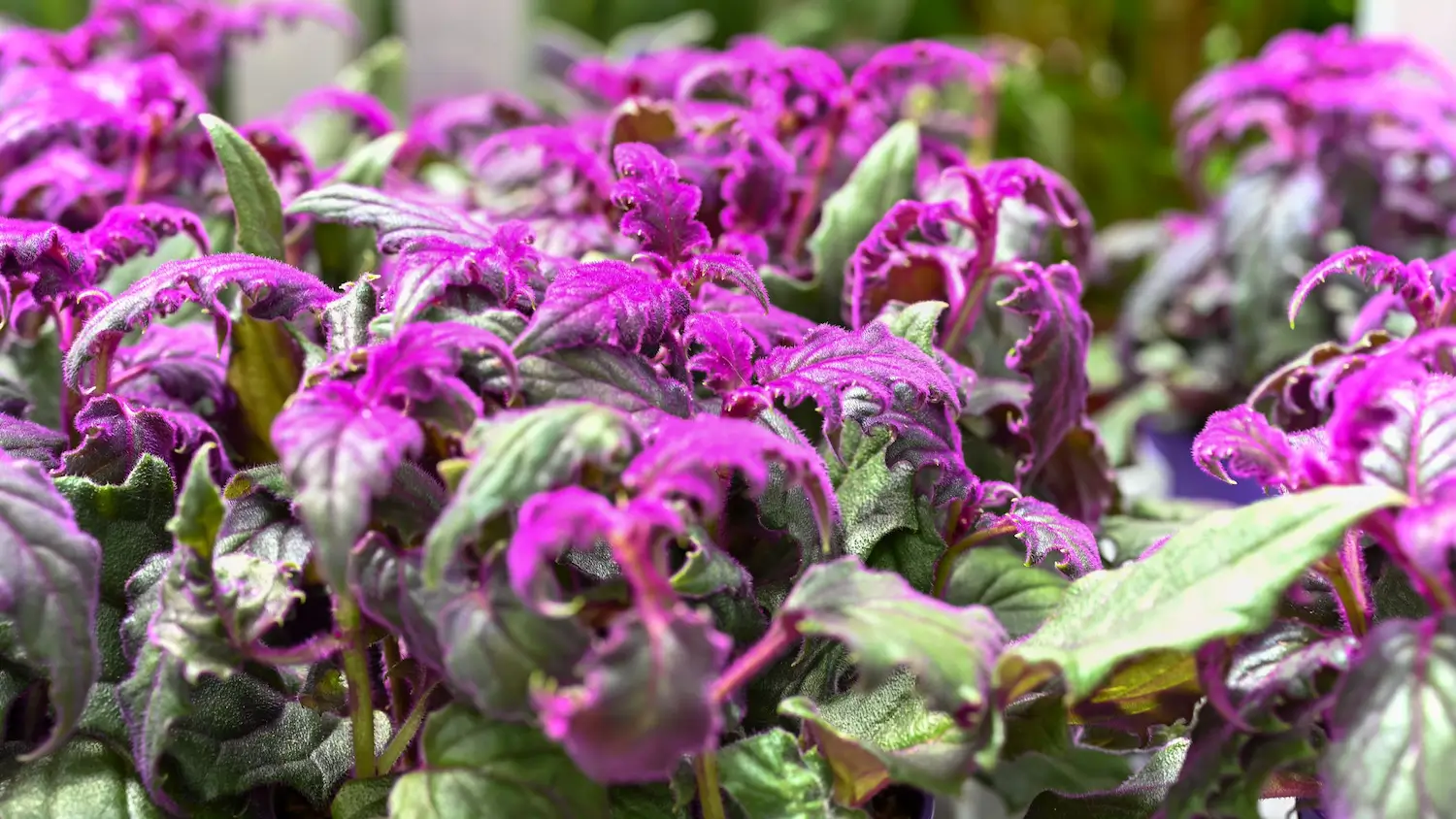


What makes this plant truly special is the contrast between its green base and purple overlay. Under the right lighting, the color appears almost electric.
Why the Purple Passion Plant Is So Popular
There’s no shortage of houseplants out there, but few have the same visual impact as this one.
Visual Appeal That Stands Out
The vibrant purple hue isn’t just decorative—it transforms a room. It pairs beautifully with neutral interiors and adds depth to plant collections.
Easy to Grow Indoors
Despite its exotic look, the purple passion plant is surprisingly beginner-friendly. It adapts well to indoor conditions and grows quickly with basic care.

Fast Growth for Instant Results
Unlike slow-growing plants, this one rewards you quickly. Within weeks, you’ll notice fuller foliage and longer stems.
Ideal Growing Conditions for Purple Passion Plant
To keep your plant thriving, it’s important to mimic its natural tropical environment as closely as possible.
Light Requirements
Bright, indirect light is key.
- Too little light → dull, less vibrant purple color
- Too much direct sun → leaf burn
Place it near a window with filtered sunlight for best results.
Temperature and Climate
This plant prefers warm, stable conditions.
- Ideal temperature: 60–75°F (15–24°C)
- Avoid cold drafts and sudden temperature changes
Humidity Needs
Moderate humidity works best.
- Dry air can reduce vibrancy
- Avoid misting directly (can damage fuzzy leaves)
Instead, consider placing a humidity tray nearby.
Watering and Soil Needs
Getting watering right is crucial for a healthy purple passion plant.
How Often to Water
Water when the top inch of soil feels dry.
- Overwatering → root rot
- Underwatering → droopy leaves
A consistent schedule works better than guessing.
Best Soil Mix
Use well-draining soil.
A good mix includes:
- Potting soil
- Perlite
- Sand or coco coir
This ensures proper drainage and prevents soggy roots.
Fertilizing for Healthy Growth
Feeding your plant helps maintain its lush color and rapid growth.
Fertilizer Schedule
- Feed every 2–4 weeks during growing season (spring & summer)
- Use balanced liquid fertilizer
Avoid Overfeeding
Too much fertilizer can:
- Burn roots
- Reduce leaf quality
Less is often more with this plant.
Pruning and Maintenance Tips
Pruning plays a big role in keeping your plant compact and attractive.
Why Pruning Matters
Without pruning, the plant can become leggy and lose its fullness.
How to Prune
- Trim long stems regularly
- Pinch back growth tips
- Remove old or damaged leaves
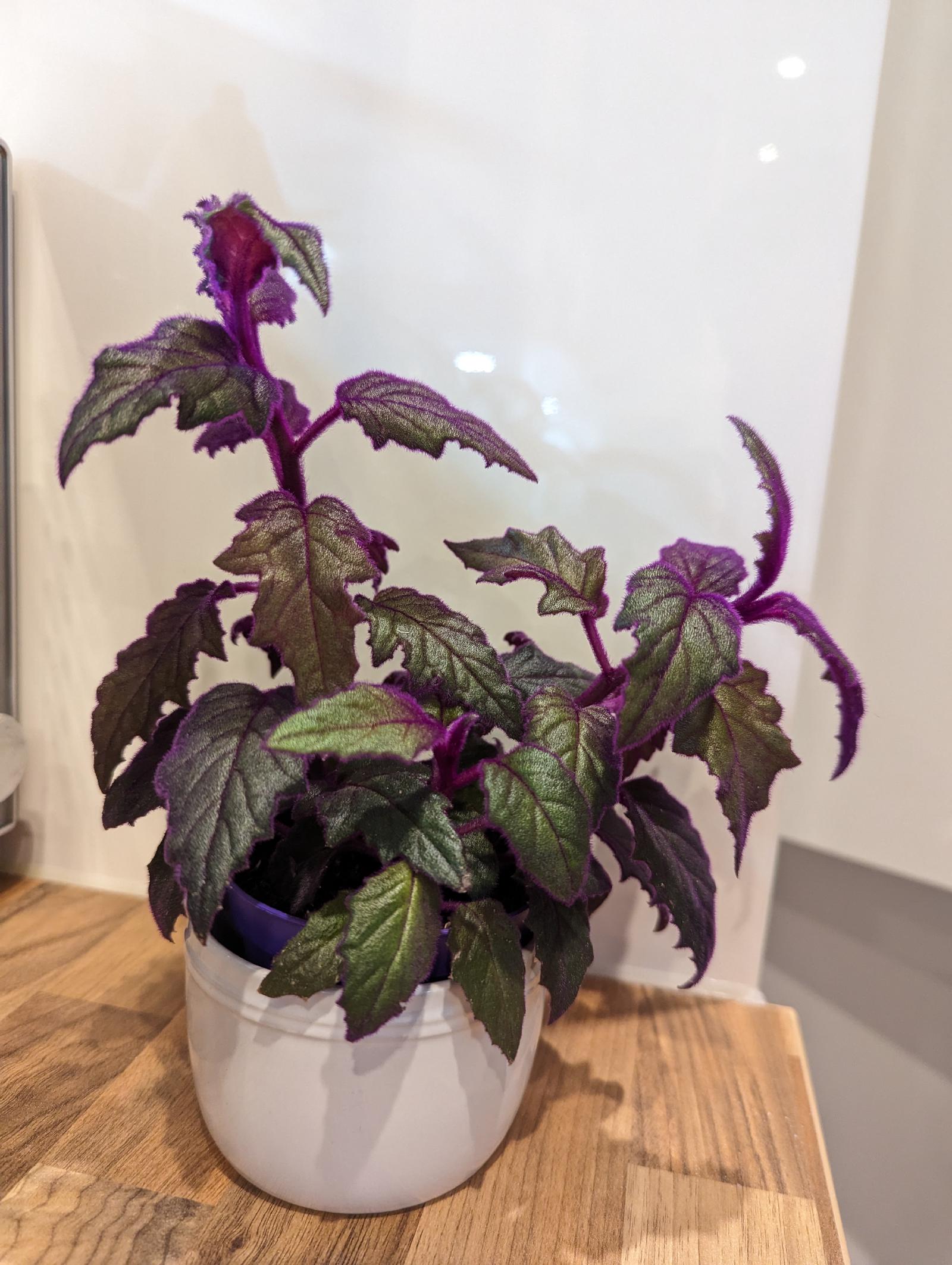


Regular pruning encourages bushier, more vibrant growth.
Propagation: Growing New Plants Easily
One of the best things about the purple passion plant is how easy it is to propagate.
Stem Cutting Method
- Cut a healthy stem (4–6 inches)
- Remove lower leaves
- Place in water or moist soil
- Wait for roots to develop
Roots typically appear within 1–2 weeks.
Tips for Success
- Use clean scissors
- Choose non-flowering stems
- Keep in bright, indirect light
Propagation is a great way to expand your collection or share with friends
Common Problems and Solutions
Even easy plants can run into issues. Here’s how to handle the most common ones.
Leaves Losing Purple Color
Cause: Insufficient light
Solution: Move to a brighter location
Wilting or Drooping
Cause: Overwatering or underwatering
Solution: Adjust watering schedule
Pests
Common pests include:
- Aphids
- Spider mites
- Whiteflies
Use insecticidal soap or neem oil if needed.
Should You Let It Flower?
Interestingly, the purple passion plant does produce flowers—but they’re not always welcome.
The Truth About Flowers
- Small orange blooms
- Strong, unpleasant odor
Most growers choose to remove buds early to:
- Preserve plant energy
- Avoid the smell
Styling and Display Ideas
This plant isn’t just about care—it’s also about presentation.
Best Placement Ideas
- Hanging baskets
- Shelves with trailing stems
- Bright corners of living rooms
Pairing with Other Plants
Combine with:
- Green foliage plants
- White variegated plants
- Minimalist pots for contrast
The bold purple color works beautifully as a focal point.
Benefits of Keeping a Purple Passion Plant
Beyond aesthetics, this plant offers subtle lifestyle benefits.
Mood Enhancement
The rich color adds warmth and personality to any room.
Beginner-Friendly Learning
It’s a great plant for learning:
- Pruning techniques
- Propagation skills
- Indoor plant care basics
FAQ Section
Frequently Asked Questions
What makes the purple passion plant unique?
Its velvety leaves covered in purple hairs create a glowing effect that few other houseplants can match.
How often should I water a purple passion plant?
Water when the top inch of soil is dry—usually once or twice a week depending on conditions.
Can a purple passion plant grow outdoors?
It can grow outdoors in warm climates, but it’s most commonly kept indoors due to its sensitivity.
Why is my plant turning green instead of purple?
This usually happens due to insufficient light. Move it to a brighter spot.
Is the purple passion plant safe for pets?
It’s considered mildly toxic, so keep it out of reach of pets and children.
How long does this plant live?
With proper care, it can live several years, though it may need rejuvenation through propagation.
Can I propagate it in water?
Yes, water propagation works very well and is one of the easiest methods.
Why does my plant look leggy?
Lack of pruning or insufficient light can cause stretched growth.
Conclusion
The purple passion plant is more than just another houseplant—it’s a bold, living piece of décor that brings color, texture, and personality into your space. With the right balance of light, water, and occasional pruning, it rewards you with fast growth and eye-catching beauty.
Whether you’re just starting your indoor plant journey or looking to add something truly unique to your collection, this plant offers a perfect mix of ease and visual impact. Treat it well, and it will continue to brighten your home in ways few plants can.