

Introduction
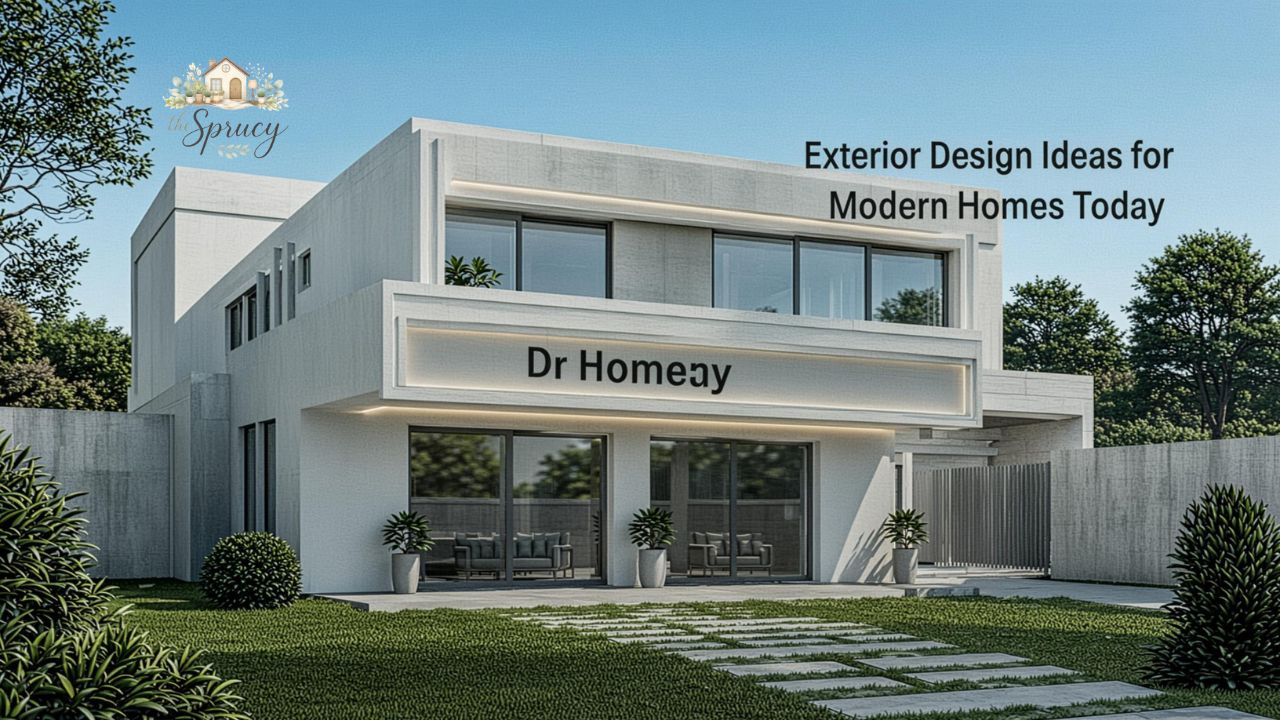
The first impression of a house begins long before someone steps inside, and dr homey exterior design has become a phrase many homeowners search when they want that first impression to feel intentional, warm, and visually strong. A well-designed exterior does more than make a property look attractive—it shapes how the home is experienced every day.
A beautiful facade can quietly communicate personality. It can suggest calm, elegance, confidence, or even creativity without a single word. That is why exterior planning now receives nearly as much attention as interior styling, especially for homeowners who want lasting value and timeless appeal.
What makes exterior design especially important is that every visible decision matters together: wall finish, lighting, gate design, landscaping, roof profile, and color balance all contribute to a complete visual language. When one element feels disconnected, the whole exterior loses impact.
Today, more people want homes that feel clean, functional, modern, and easy to maintain. That shift is exactly why structured approaches inspired by dr homey exterior design continue gaining attention across both urban and suburban projects.


Understanding dr homey exterior design principles
The reason dr homey exterior design stands out is because it combines practicality with visual discipline. Instead of overdecorating a facade, the approach usually focuses on proportion, material harmony, and visual balance.
What defines a balanced exterior
A balanced exterior means no single feature dominates unnecessarily. Windows, wall textures, entrance doors, and roof lines must visually support one another.
Key balance principles include:
- Matching vertical and horizontal proportions
- Using no more than three dominant exterior materials
- Keeping color transitions soft and deliberate
- Aligning gate design with facade character
- Choosing lighting that highlights architecture instead of overpowering it
Why proportion matters more than decoration
Many homes fail visually because they add expensive elements without considering proportion. Large columns on a narrow facade, oversized windows on low walls, or heavy textures across all surfaces create visual fatigue.
A disciplined layout often looks more premium than a crowded one.
Material selection that shapes exterior identity
Material choice decides whether a home looks timeless or quickly outdated. In most successful dr homey exterior design projects, materials are selected for durability first and visual richness second.
Two homes with identical structure can feel entirely different depending on surface finish.


Popular exterior materials with long-term value
The most reliable choices today include:
- Stone cladding
- Textured plaster
- Wood-look composite panels
- Concrete finishes
- Metal framing accents
- Exterior-grade brick
Each material introduces a different emotional tone.
Combining materials without visual conflict
The strongest combinations usually follow one dominant material and one supporting material.
Examples:
- Stone + matte paint
- Wood texture + concrete
- Brick + black metal accents
Too many textures reduce clarity.
Color strategy in dr homey exterior design
Color is often underestimated, yet it changes the full reading of a structure.
Choosing a primary exterior color
A primary tone should support climate, dust conditions, and architectural form.
Common successful choices include:
- Warm beige
- Off-white
- Soft gray
- Taupe
- Sand tones
These shades age well visually and remain easier to maintain.
Accent colors that create depth
Accent tones should appear in controlled locations:
- Window frames
- Entrance borders
- Balcony rails
- Gate structures
Black, charcoal, bronze, and muted wood shades usually work best.
Entrance design as the emotional focal point
A visitor notices the entrance before anything else. This is why dr homey exterior design often places major emphasis on entry sequence.
The entrance should feel inviting but architecturally clear.
Essential entrance design elements
A strong entrance usually includes:
- Defined pathway
- Controlled lighting
- Clear door framing
- Clean elevation transition
- Visual shelter through canopy or projection
Door selection and facade relationship
A door should belong visually to the facade.
For example:
- Modern flat facade suits flush wooden doors
- Stone facade suits metal-framed doors
- Minimal homes suit plain matte finishes


Lighting techniques that transform night appearance
Daytime design alone is incomplete. Exterior lighting defines how the home performs visually after sunset.
Layered lighting method
Good lighting uses layers:
- Wall washers
- Path lights
- Gate lights
- Soft entrance spotlights
Avoiding harsh lighting mistakes
Common mistakes include:
- Excessively bright white lights
- Uneven spacing
- Poor fixture direction
Warm lighting usually gives better architectural depth.
Landscaping and soft exterior integration
Even a modest landscape can dramatically improve facade impact.
Simple landscaping elements with high effect
A small front exterior can still benefit from:
- Vertical planters
- Linear grass strips
- Border shrubs
- Low-height decorative trees
Hardscape and greenery balance
Too much paving creates hardness. Too much greenery can hide architecture.
The best result comes from visual rhythm between both.
Wall textures and facade depth
Flat surfaces often need controlled variation.
Where texture should be introduced
Texture works best in limited zones:
- Entrance wall
- Side vertical panel
- Balcony face
Texture types that stay modern
Recommended finishes:
- Sand texture
- Linear grooves
- Stone strips
- Micro cement effect
Roofline and silhouette planning
Roofline silently defines the identity of the home.
Modern roof directions
Popular roof approaches include:
- Flat slab emphasis
- Hidden slope systems
- Controlled parapet depth
Why silhouette matters from distance
A house is recognized first by outline before details become visible.
That outline should remain clean.
Boundary walls and gate coordination
A facade loses strength when boundary design feels unrelated.
Matching wall language with facade
Boundary wall should repeat:
- Same color family
- Similar material texture
- Consistent geometry
Gate design rules
Best gate results often use:
- Horizontal slats
- Matte finish metal
- Partial visual transparency
Seasonal maintenance in dr homey exterior design
Long-term beauty depends on maintenance planning.
Surfaces that require annual checking
Inspect:
- Paint edges
- Drain outlets
- Metal coatings
- Exterior joints
Choosing finishes that age gracefully
Low-maintenance finishes often outperform expensive fragile ones.
Common mistakes homeowners make
Even premium homes lose impact through avoidable design errors.
Frequent facade mistakes
- Too many colors
- Random decorative trims
- Oversized lighting fixtures
- Poor material transitions
- Ignoring surrounding context
Why restraint creates premium appearance
Controlled design almost always appears more expensive.
FAQ
How often should exterior paint be updated?
Most quality exterior paint lasts five to eight years depending on climate and wall exposure.
Is stone cladding better than paint for facades?
Stone adds durability and depth, but should be used selectively rather than covering the entire exterior.
Can small houses still follow dr homey exterior design ideas?
Yes, smaller facades often benefit even more because proportion becomes easier to control.
Which exterior color stays attractive for years?
Neutral warm shades usually age best and resist visual fatigue.
Should lighting be planned before construction ends?
Yes, conduit planning early prevents visible wiring later.
What is the safest material for dusty climates?
Textured matte finishes and medium neutral tones usually perform best.
Is landscaping necessary for a modern facade?
Even minimal greenery significantly improves visual warmth.
How many materials should one facade include?
Two to three materials usually create the strongest result.
Conclusion
A strong exterior does not happen through expensive additions alone. It comes from disciplined choices that work together quietly. dr homey exterior design continues to attract attention because it encourages exactly that balance—clear materials, thoughtful lighting, calm color relationships, and practical long-term thinking.
When each element supports the next, the home begins to feel complete from the outside before anyone even enters. That quiet confidence is often what makes an exterior memorable ✨🏡📐