

Introduction
A foggy mirror, lingering odors, and hidden moisture damage—these are all signs your bathroom ventilation isn’t doing its job. Choosing the best bathroom exhaust fan can completely transform your space, making it fresher, healthier, and more comfortable every day.
Bathrooms are one of the most moisture-prone areas in any home. Without proper airflow, humidity builds up quickly, leading to mold, peeling paint, and even structural damage over time. That’s why investing in the right exhaust fan isn’t just about comfort—it’s about protecting your home.
Whether you’re renovating, upgrading, or building from scratch, understanding how to pick the right fan can save you money, improve air quality, and extend the life of your bathroom.
Why Bathroom Ventilation Matters
Bathroom ventilation isn’t just a luxury—it’s essential. When you shower or bathe, warm moisture fills the air. Without proper ventilation, this moisture settles on walls, ceilings, and fixtures.
The Risks of Poor Ventilation
- Mold and mildew growth
- Peeling paint and wallpaper
- Warped wood and cabinetry
- Lingering unpleasant odors
- Increased humidity throughout the home
A well-functioning exhaust fan removes excess moisture and improves air circulation, preventing these issues before they start.
What Is a Bathroom Exhaust Fan?
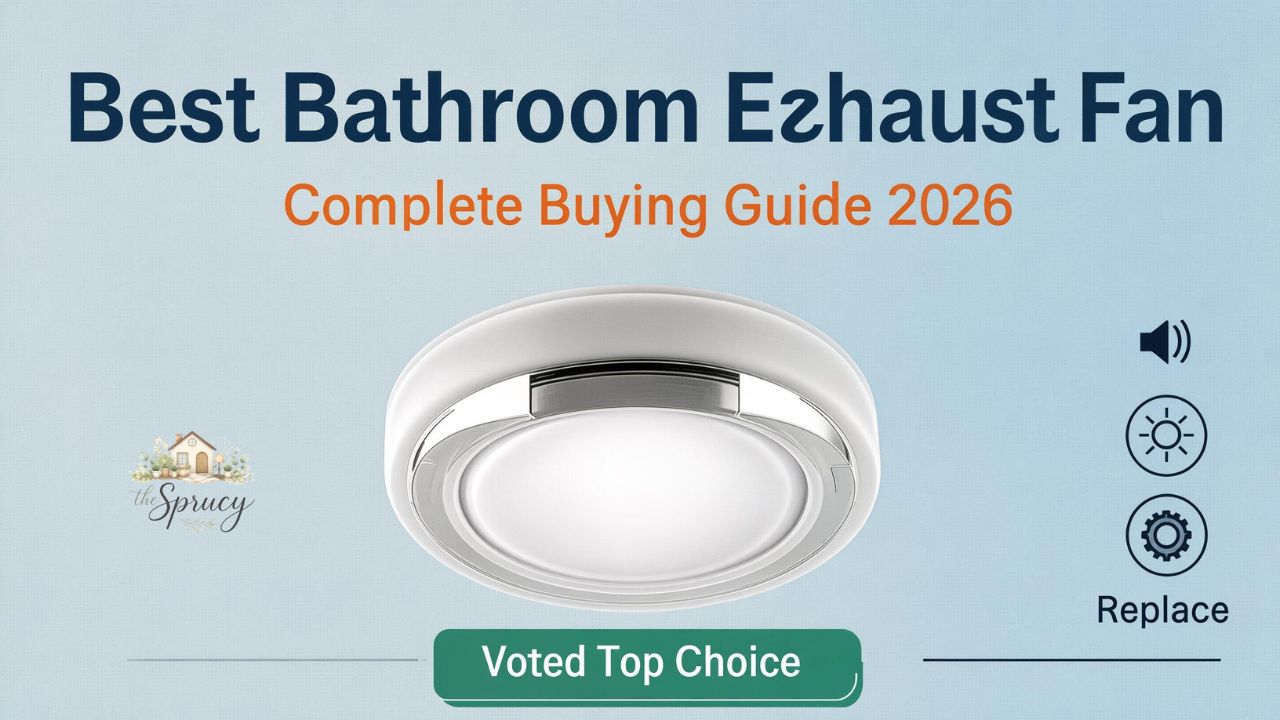
A bathroom exhaust fan is a ventilation device designed to remove humid air, odors, and pollutants from your bathroom and push them outside.
How It Works
- Pulls in humid air
- Filters or moves air through ducts
- Expels it outside your home
This process helps maintain balanced humidity levels and improves overall indoor air quality.
Key Features to Look for in the Best Bathroom Exhaust Fan
Choosing the right fan involves more than just picking a brand. You need to understand the features that truly matter.
Airflow Capacity (CFM)
CFM (Cubic Feet per Minute) measures how much air the fan can move.
- Small bathrooms: 50–80 CFM
- Medium bathrooms: 80–110 CFM
- Large bathrooms: 110+ CFM
Noise Level (Sones)
Noise is measured in sones:
- 0.3–1.0 sones: Very quiet
- 1.0–2.0 sones: Moderate
- 2.0+ sones: Loud
A quieter fan is ideal for comfort and daily use.
Energy Efficiency
Look for ENERGY STAR-rated fans to save electricity and reduce costs over time.
Additional Features
- Built-in lighting
- Humidity sensors
- Motion sensors
- Heater integration
Types of Bathroom Exhaust Fans
Different bathrooms require different types of fans. Understanding the options helps you make a smarter decision.
Ceiling-Mounted Fans
Most common and easy to install. Ideal for standard bathrooms.
Wall-Mounted Fans
Used when ceiling ducting isn’t possible. Suitable for exterior walls.
Inline Exhaust Fans
Installed in the duct system, making them extremely quiet and powerful.
Combination Units
Include features like:
- Light + fan
- Heater + fan
- Light + heater + fan
How to Choose the Best Bathroom Exhaust Fan for Your Space
Every bathroom is unique, so your choice should reflect your specific needs.
Consider Bathroom Size
Measure your bathroom area and match it with the correct CFM rating.
Check Ceiling Height
Higher ceilings require more powerful fans to move air effectively.
Evaluate Moisture Levels
If your bathroom gets very humid, choose a fan with higher CFM and humidity sensors.
Think About Noise Preferences
If you value quiet, prioritize low-sone fans.
Installation Tips for Maximum Performance
Even the best fan won’t work properly if installed incorrectly.
Proper Venting Is Critical
- Always vent air outside (not into the attic)
- Use insulated ducts to prevent condensation
Placement Matters
- Install near the shower or bathtub
- Avoid placing directly above doors
Seal Gaps
Ensure all duct connections are sealed to prevent air leaks.
Maintenance Tips to Keep Your Fan Running Efficiently
Regular maintenance ensures your fan performs well for years.
Cleaning Routine
- Remove dust from the grill
- Clean fan blades every few months
- Check ducts for blockages
Signs You Need Replacement
- Loud or unusual noise
- Reduced airflow
- Persistent humidity issues
Common Mistakes to Avoid
Many homeowners unknowingly reduce their fan’s efficiency.
Mistake #1: Choosing the Wrong Size
Too small → ineffective
Too large → unnecessary energy use
Mistake #2: Ignoring Noise Levels
A loud fan discourages regular use.
Mistake #3: Poor Venting
Improper ducting can trap moisture instead of removing it.
Benefits of Installing the Best Bathroom Exhaust Fan
Upgrading your fan offers several long-term advantages.
Improved Air Quality
Removes odors, pollutants, and excess humidity.
Mold Prevention
Keeps surfaces dry and reduces health risks.
Increased Home Value
Modern ventilation systems add appeal to buyers.
Energy Efficiency
Newer models consume less power while performing better.
FAQ
Frequently Asked Questions
What size exhaust fan do I need for my bathroom?
You need at least 1 CFM per square foot. Larger bathrooms may require higher capacity for effective ventilation.
How long should I run my bathroom exhaust fan?
Run it for at least 15–20 minutes after showering to remove excess moisture.
Are quieter exhaust fans better?
Yes, quieter fans are more comfortable and more likely to be used regularly.
Can I install a bathroom exhaust fan myself?
Yes, but proper ducting and electrical work may require professional help.
Do bathroom exhaust fans use a lot of electricity?
Modern fans are energy-efficient and consume minimal power, especially ENERGY STAR models.
Is a humidity sensor worth it?
Yes, it automatically turns the fan on when moisture levels rise, improving efficiency.
How often should I clean my exhaust fan?
Every 3–6 months for optimal performance.
Can I vent the fan into the attic?
No, this can cause moisture buildup and mold problems. Always vent outside.
Conclusion
Choosing the best bathroom exhaust fan is one of the smartest upgrades you can make for your home. It’s not just about removing odors—it’s about protecting your space from moisture damage, improving air quality, and creating a more comfortable environment.
By understanding key features like airflow, noise levels, and energy efficiency, you can confidently select a fan that fits your needs. With proper installation and regular maintenance, your exhaust fan will serve as a silent protector—keeping your bathroom fresh, dry, and healthy for years to come.