
Introduction
There’s something unsettling about spotting mold creeping across your walls, tiles, or furniture. It doesn’t just look bad—it can affect your health and your home’s safety. That’s why many people are turning to natural solutions and asking an important question: does thieves kill mold?
You’ve probably heard of thieves oil as a powerful essential oil blend with antibacterial and antiviral properties. But when it comes to mold—a stubborn and sometimes dangerous problem—does it really work, or is it just another overhyped remedy?
In this guide, we’ll break it all down in plain language. You’ll learn how thieves oil interacts with mold, whether it’s effective, and how to use it safely. By the end, you’ll know exactly when it’s helpful—and when you need something stronger.
What Is Thieves Oil?
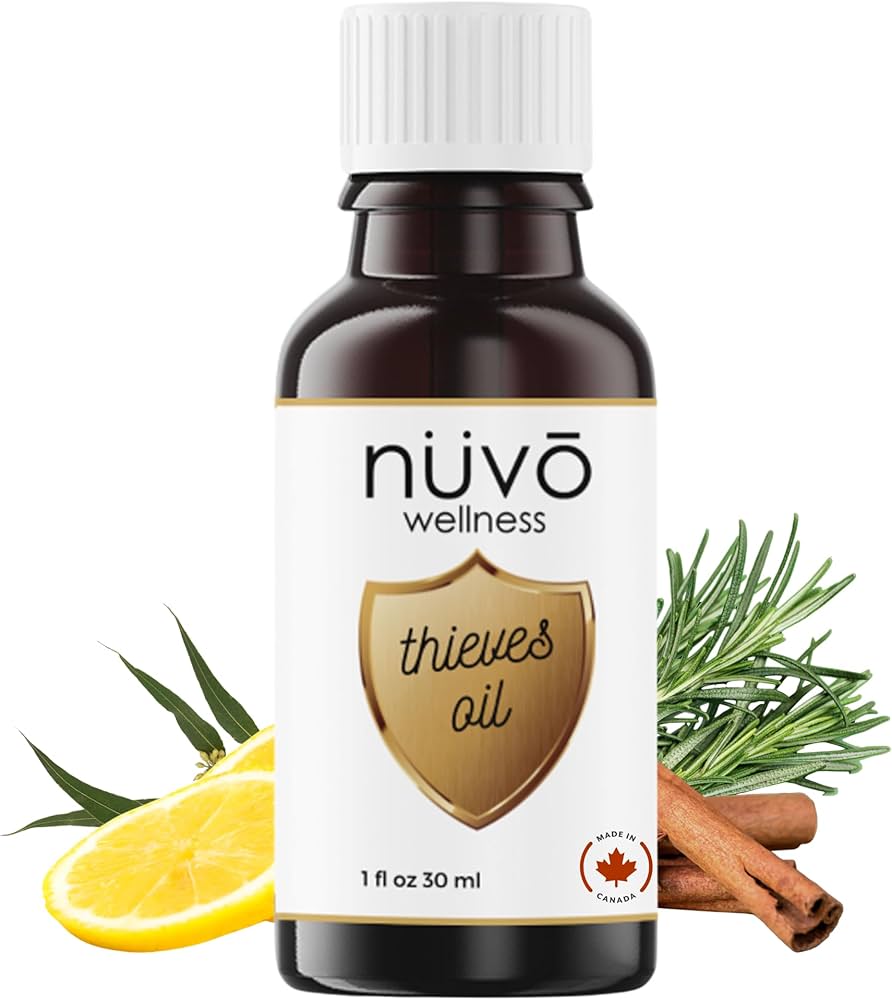
Thieves oil is a blend of several essential oils traditionally known for their antimicrobial properties. It typically includes:
- Clove oil
- Lemon oil
- Cinnamon bark oil
- Eucalyptus oil
- Rosemary oil
Why Is It So Popular?
This blend gained popularity because of its natural disinfecting abilities. Many people use it for:
- Cleaning surfaces
- Freshening air
- Supporting immune health
- Fighting bacteria and viruses
Its strong scent and natural origin make it appealing for those who prefer chemical-free cleaning methods.
Does Thieves Kill Mold?
Let’s get straight to the point: does thieves kill mold?
The Short Answer
Thieves oil can help inhibit mold growth and kill some surface mold, but it is not a complete solution for serious mold problems.
The Science Behind It
Certain oils in the blend—especially clove and cinnamon—have antifungal properties. Studies have shown:
- Clove oil can kill mold spores
- Cinnamon oil disrupts fungal growth
- Eucalyptus has mild antifungal effects
However, there’s a catch.
The Limitation
Mold isn’t just a surface issue. It often grows:
- Inside porous materials
- Behind walls
- Deep within wood or drywall
Thieves oil may kill what you see, but it often doesn’t reach the root of the problem.
How Thieves Oil Works Against Mold
Antifungal Properties Explained
The essential oils in thieves oil attack mold in a few ways:
- Breaking down fungal cell walls
- Preventing spores from spreading
- Slowing down regrowth
This makes it useful for light mold issues and prevention.
Best Situations to Use It
Thieves oil works best in:
- Bathrooms with minor mold spots
- Kitchen surfaces
- Window sills
- Shower curtains
Where It Falls Short
It’s not ideal for:
- Large mold infestations
- Black mold (toxic mold)
- Mold inside walls or insulation

How to Use Thieves Oil for Mold Removal
If you’re dealing with minor mold, here’s how to use it effectively.
DIY Thieves Oil Mold Spray
Ingredients:
- 1 cup water
- 1/2 cup white vinegar
- 10–20 drops thieves oil
Instructions:
- Mix everything in a spray bottle
- Spray directly onto moldy surface
- Let sit for 15–20 minutes
- Scrub gently with a brush
- Wipe clean and dry thoroughly
Tips for Better Results
- Always dry the area completely afterward
- Use regularly to prevent regrowth
- Combine with good ventilation
Safety Considerations
Is It Safe for Everyone?
While natural, thieves oil is very potent. Be cautious:
- Avoid direct skin contact without dilution
- Keep away from pets and children
- Don’t inhale heavily in enclosed spaces
Surface Compatibility
Test before use on:
- Painted surfaces
- Wood
- Fabrics
Some essential oils can stain or damage finishes.
Thieves Oil vs Other Mold Removal Methods
Natural vs Chemical Cleaners
Thieves Oil Pros:
- Non-toxic
- Pleasant smell
- Safer for daily use
Cons:
- Less powerful
- Slower results
- Limited penetration
Stronger Alternatives
For tougher mold, consider:
- Bleach solutions
- Hydrogen peroxide
- Commercial mold removers
These can penetrate deeper but come with chemical exposure risks
Can Thieves Oil Prevent Mold Growth?
Prevention is where thieves oil really shines.
How It Helps
Regular use can:
- Reduce moisture-related mold growth
- Kill early-stage spores
- Keep surfaces cleaner longer
Preventive Routine
Try this simple routine:
- Spray bathroom surfaces after showers
- Use in diffusers to improve air quality
- Clean damp areas weekly
Combine with These Habits
For best results:
- Fix leaks quickly
- Use dehumidifiers
- Improve ventilation
Common Mistakes to Avoid
1. Relying on It for Serious Mold
If mold covers a large area or keeps coming back, thieves oil alone won’t fix it.
2. Not Addressing Moisture
Mold thrives in damp environments. Without fixing moisture, it will return.
3. Using Too Little
A weak dilution may not be effective. Balance safety with potency.
4. Skipping Protective Gear
Even natural solutions require:
- Gloves
- Proper ventilation
FAQ
Frequently Asked Questions
Is thieves oil strong enough to kill black mold?
No, it’s not reliable for black mold. Professional treatment is recommended for toxic mold.
How often should I use thieves oil for mold?
For prevention, 2–3 times per week works well in damp areas.
Can I use thieves oil on walls?
Yes, but test first to avoid damage or discoloration.
Does thieves kill mold permanently?
No, it may remove surface mold, but permanent removal requires eliminating moisture and deep cleaning.
Can I diffuse thieves oil to prevent mold?
Yes, it can help improve air quality and reduce airborne spores.
Is it safe to mix thieves oil with vinegar?
Yes, this combination enhances cleaning power and is commonly used.
Can thieves oil damage surfaces?
It can affect certain finishes, so always do a patch test.
What’s better: bleach or thieves oil?
Bleach is stronger for severe mold, while thieves oil is better for mild cases and maintenance.
Conclusion
So, does thieves kill mold? The honest answer is: yes, but only to a certain extent.
It’s a helpful, natural option for tackling small patches and preventing future growth. It’s especially useful if you prefer non-toxic cleaning methods and want something gentle for regular use. But for deeper or widespread mold problems, it simply doesn’t have the strength to fully eliminate the issue.
Think of thieves oil as part of your mold-fighting toolkit—not the entire solution. Pair it with good cleaning habits, proper ventilation, and moisture control, and you’ll be in a much better position to keep your home clean, fresh, and mold-free.