


Introduction
There’s something undeniably calming about bringing greenery into your home—but not all plants are created equal. If you’ve been searching for a low-maintenance yet stunning houseplant, philodendron brasil might just be your perfect match. With its vibrant green and lime-yellow variegated leaves, it instantly brightens any space without demanding constant attention.
What makes this plant so special isn’t just its looks—it’s how forgiving and adaptable it is. Whether you’re a seasoned plant parent or someone who struggles to keep anything alive, this plant offers a satisfying balance of beauty and ease.
In this guide, you’ll discover everything you need to know to grow, care for, and style this popular indoor plant so it thrives in your home for years to come.
What Is Philodendron Brasil?
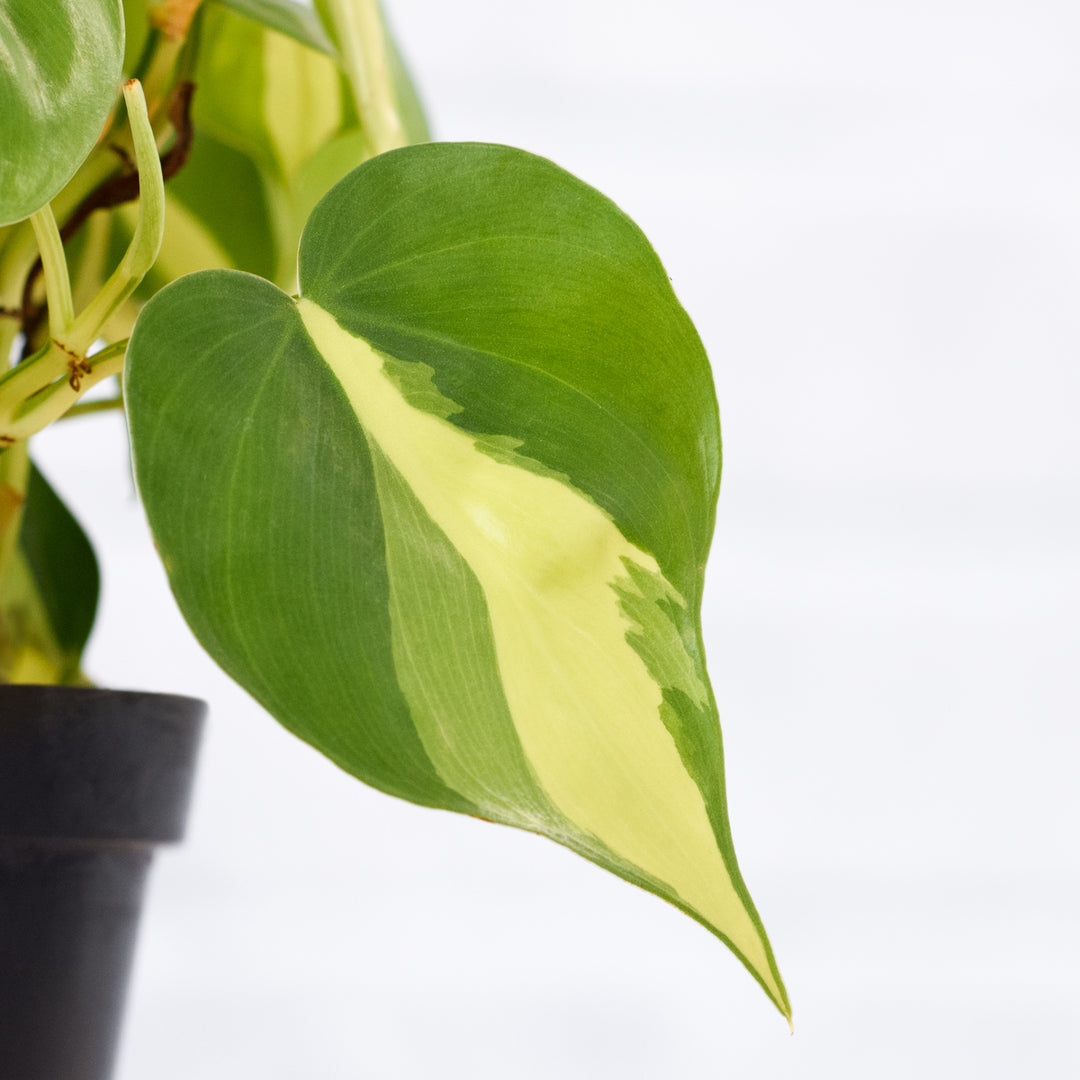
The philodendron brasil is a tropical houseplant known for its heart-shaped leaves with striking variegation. Native to South America, it belongs to the Araceae family and is closely related to other popular philodendron varieties.
Key Characteristics
- Heart-shaped leaves with green and yellow streaks
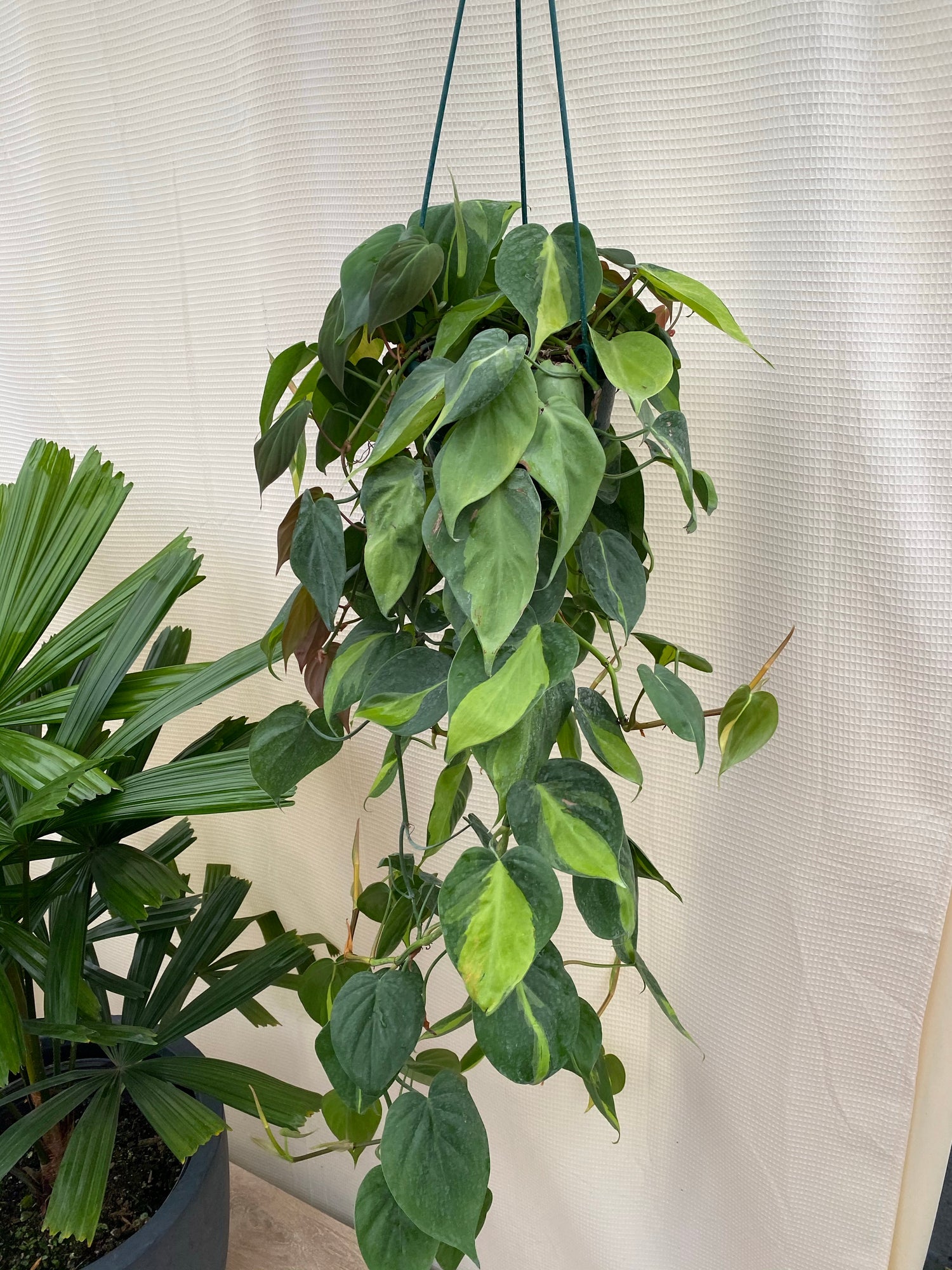
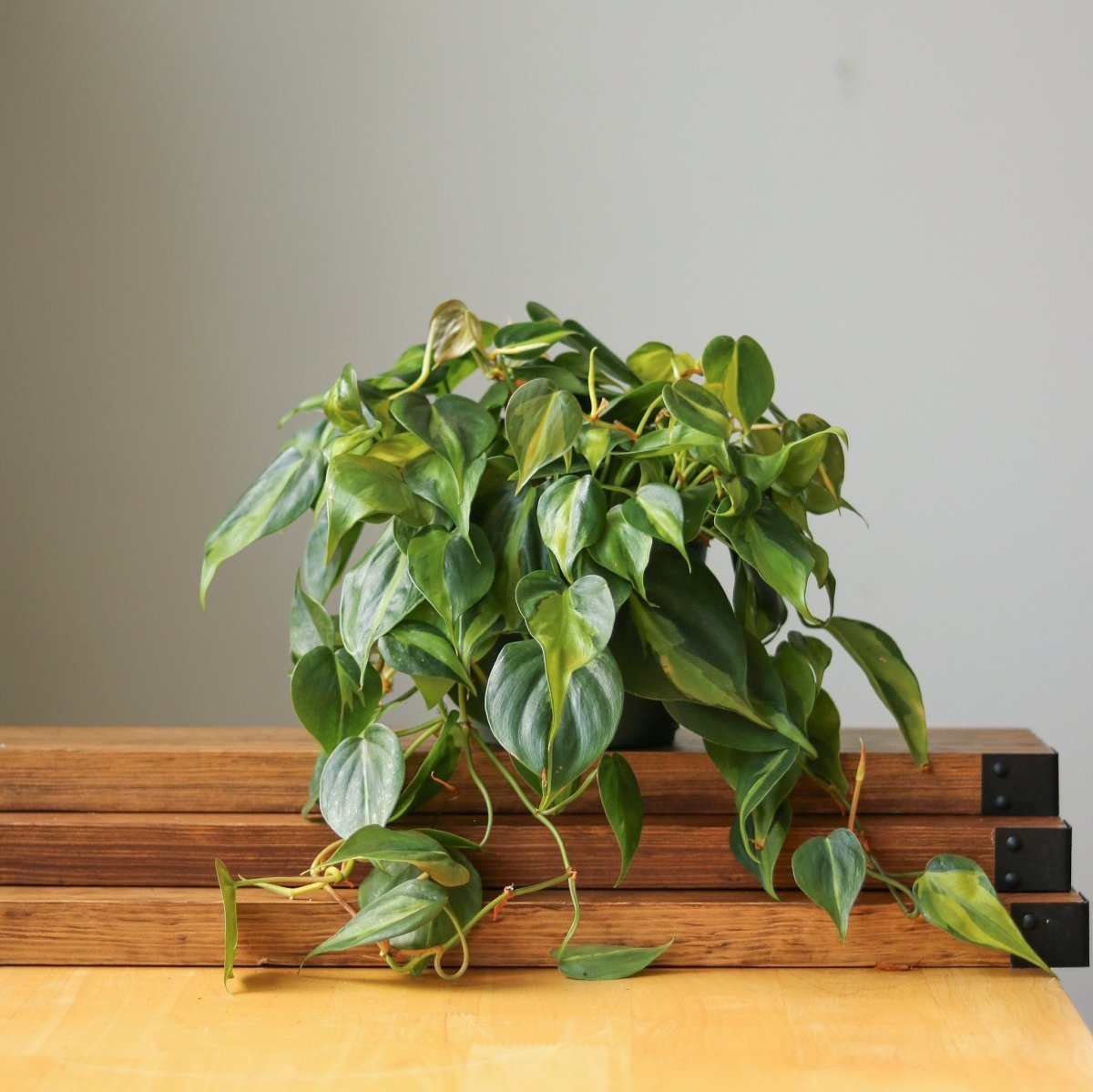
- Fast-growing trailing or climbing habit
- Adaptable to various light conditions
- Beginner-friendly care requirements
This plant is often confused with the classic heartleaf philodendron, but its unique coloring makes it stand out. The variegation adds depth and visual interest, making it a favorite for interior styling.
Why It’s So Popular
Its popularity comes down to three main factors:
- Visual appeal: The contrast of colors creates a lively, tropical vibe
- Low maintenance: It tolerates occasional neglect
- Versatility: Works well in hanging baskets, shelves, or climbing setups
How to Care for Philodendron Brasil
Taking care of this plant doesn’t require expert-level knowledge, but understanding its basic needs will help it flourish.
Light Requirements
The philodendron brasil thrives in bright, indirect light. While it can tolerate lower light conditions, its vibrant variegation may fade if it doesn’t receive enough light.
Best placement options:
- Near east- or north-facing windows
- A few feet away from a bright south-facing window
- Under filtered sunlight
Avoid direct sunlight, as it can scorch the leaves and dull their color.
Watering Needs
Watering is where many plant owners go wrong. The key is balance.
Tips for proper watering:
- Water when the top 1–2 inches of soil feel dry
- Ensure the pot has drainage holes
- Avoid letting the plant sit in standing water
Overwatering can lead to root rot, while underwatering may cause drooping leaves.
Soil and Potting Mix
A well-draining soil mix is essential.
Ideal mix includes:
- Regular potting soil
- Perlite for aeration
- Orchid bark for structure
This combination allows roots to breathe while retaining enough moisture.

Temperature and Humidity Preferences
Being a tropical plant, the philodendron brasil prefers warm and humid environments.
Ideal Conditions
- Temperature: 18°C to 27°C (65°F to 80°F)
- Humidity: 50% or higher
While it can tolerate normal indoor humidity, it will thrive with extra moisture in the air.
Ways to Increase Humidity
- Use a humidifier
- Place a tray of water near the plant
- Group plants together
Dry air can lead to brown leaf edges, so maintaining humidity is key for healthy growth.
Fertilizing for Healthy Growth
Feeding your plant helps maintain its vibrant color and encourages faster growth.
Fertilizer Guidelines
- Use a balanced liquid fertilizer
- Apply once a month during spring and summer
- Reduce feeding in fall and winter
Over-fertilizing can cause salt buildup, which may damage roots, so moderation is important.
Pruning and Maintenance
Regular pruning keeps your plant looking full and healthy.
Benefits of Pruning
- Encourages bushier growth
- Removes damaged or yellowing leaves
- Controls length and shape
Use clean scissors or pruning shears, and always cut just above a node.
Propagation Made Simple
One of the most rewarding aspects of owning a philodendron brasil is how easy it is to propagate.
Step-by-Step Propagation
- Cut a stem with at least one node
- Place the cutting in water or soil
- Keep it in bright, indirect light
- Wait for roots to develop
Within a few weeks, you’ll have a new plant ready to grow.
Common Problems and Solutions
Even easy plants can run into issues. Knowing what to look for can save your plant.
Yellow Leaves
Possible causes:
- Overwatering
- Poor drainage
- Lack of light
Solution: Adjust watering and ensure proper light conditions.
Brown Leaf Tips
Possible causes:
- Low humidity
- Inconsistent watering
Solution: Increase humidity and maintain a regular watering schedule.
Leggy Growth
Possible causes:
- Insufficient light
Solution: Move the plant closer to a brighter location.
Styling and Decorating with Philodendron Brasil
This plant isn’t just easy to care for—it’s also incredibly versatile in home décor.
Creative Styling Ideas
- Hanging baskets: Let the vines cascade beautifully
- Bookshelves: Add a natural touch to your reading space
- Wall planters: Create a living wall effect
- Climbing poles: Train the plant upward for vertical interest
Its trailing vines can transform even the simplest room into a lush, inviting space.
Is Philodendron Brasil Safe for Pets?
Like many plants in its family, the philodendron brasil is toxic if ingested.
Important Safety Tips
- Keep out of reach of pets and children
- Place in elevated areas or hanging planters
- Wash hands after handling
While it’s safe to have in your home, precaution is necessary if you have curious pets.
Philodendron Brasil vs. Other Philodendrons
Understanding how it compares to similar plants can help you choose the right one.
Key Differences
| Feature | Philodendron Brasil | Heartleaf Philodendron |
|---|---|---|
| Leaf Color | Green + Yellow | Solid Green |
| Visual Appeal | High contrast | Classic look |
| Care Needs | Similar | Similar |
The main difference lies in its unique variegation, which adds more personality to your space.
FAQs
Frequently Asked Questions
How often should I water philodendron brasil?
Water it when the top layer of soil dries out. Typically, this means once every 1–2 weeks, depending on your environment.
Can philodendron brasil grow in low light?
Yes, it can survive in low light, but its variegation may fade, and growth may slow down.
Why are my philodendron brasil leaves turning yellow?
This is often due to overwatering or poor drainage. Adjust your watering routine and check the soil.
How fast does philodendron brasil grow?
It’s a fast-growing plant under ideal conditions, especially during spring and summer.
Can I grow philodendron brasil in water permanently?
Yes, it can grow in water, but adding nutrients occasionally will help maintain healthy growth.
Does philodendron brasil need a moss pole?
Not necessarily, but providing support can encourage larger leaves and upward growth.
Is philodendron brasil good for beginners?
Absolutely. Its forgiving nature makes it one of the best plants for beginners.
How do I make philodendron brasil bushier?
Regular pruning and proper lighting will encourage fuller growth.
Conclusion
The beauty of philodendron brasil lies in its perfect balance of style and simplicity. It’s a plant that doesn’t demand perfection yet rewards you with lush, vibrant growth when given basic care.
Whether you’re looking to start your plant journey or expand your indoor jungle, this plant offers a reliable and visually stunning option. With just a little attention to light, water, and placement, it can transform your space into a calming, green retreat that feels alive and welcoming.