

Introduction
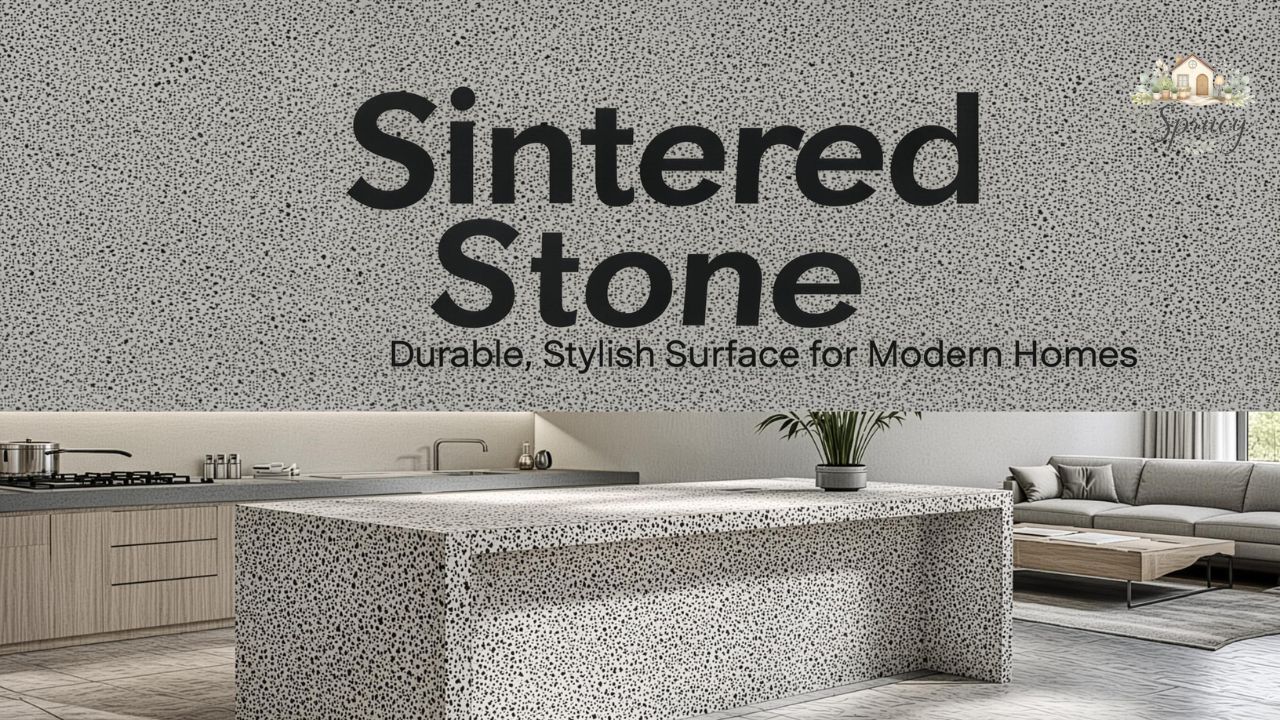
If you’ve been searching for a surface that combines beauty, durability, and low maintenance, sintered stone might just be the material you didn’t know you needed. It’s quickly becoming a favorite in modern homes, yet many people still aren’t entirely sure what makes it so special.
From sleek kitchen countertops to stylish bathroom walls, sintered stone is transforming the way we think about interior surfaces. Its rising popularity isn’t just a trend—it’s a response to the demand for materials that can handle real life while still looking stunning.
In this guide, we’ll explore everything you need to know about sintered stone—what it is, why it’s gaining attention, and whether it’s the right choice for your home or project.
What Is Sintered Stone?
Sintered stone is an engineered material created by subjecting natural minerals to extremely high heat and pressure. This process mimics the natural formation of stone—but accelerates it into a matter of hours instead of thousands of years.
How It’s Made
The manufacturing process involves:
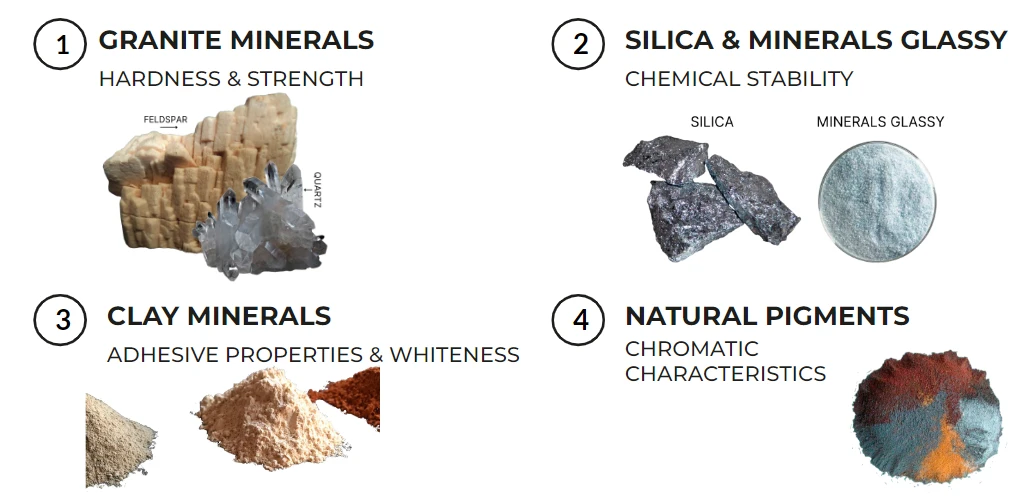
- Selecting natural raw materials like quartz, feldspar, and clay
- Grinding them into fine particles
- Applying intense heat (over 1200°C)
- Compressing under extreme pressure
The result is a dense, non-porous slab that offers exceptional performance.
Key Characteristics
- Non-porous surface
- Resistant to scratches and stains
- UV-resistant (won’t fade in sunlight)
- Heat-resistant
- Hygienic and easy to clean
Why Sintered Stone Is Gaining Popularity
There’s a reason homeowners, designers, and architects are increasingly choosing sintered stone over traditional materials.
It offers a rare combination of performance and aesthetics—something that materials like natural stone or laminate often struggle to balance.
Modern Lifestyle Compatibility
Today’s homes need materials that can keep up with:
- Busy kitchens
- High-traffic areas
- Minimal maintenance expectations
Sintered stone fits seamlessly into this lifestyle, offering durability without sacrificing style.


Key Benefits of Sintered Stone
Exceptional Durability
One of the standout features of sintered stone is its strength. It resists:
- Scratches from knives and utensils
- Cracks under normal usage
- Everyday wear and tear
This makes it ideal for kitchens and commercial spaces.
Heat Resistance
Unlike some materials that warp or discolor, sintered stone can withstand high temperatures. You can place hot pots directly on the surface without worry.
Stain Resistance
Because it’s non-porous, liquids don’t seep in. This means:
- No staining from coffee, wine, or oil
- No need for sealing
- Easy cleaning with just water and mild detergent
UV Stability
Sintered stone doesn’t fade under sunlight, making it perfect for:
- Outdoor kitchens
- Patio furniture
- Exterior cladding
Applications of Sintered Stone
The versatility of sintered stone is one of its biggest advantages.
Kitchen Countertops
Its resistance to heat, scratches, and stains makes it an excellent choice for countertops.
Bathroom Surfaces
It’s ideal for:
- Vanity tops
- Shower walls
- Flooring
Thanks to its hygienic properties.
Wall Cladding
Large slabs create seamless, modern walls with minimal joints.
Furniture
Designers are using sintered stone for:
- Dining tables
- Coffee tables
- Cabinet surfaces
Sintered Stone vs Other Materials
When choosing a surface, it helps to compare options.
Sintered Stone vs Granite
- Granite is natural but porous
- Requires sealing
- Sintered stone is non-porous and low maintenance
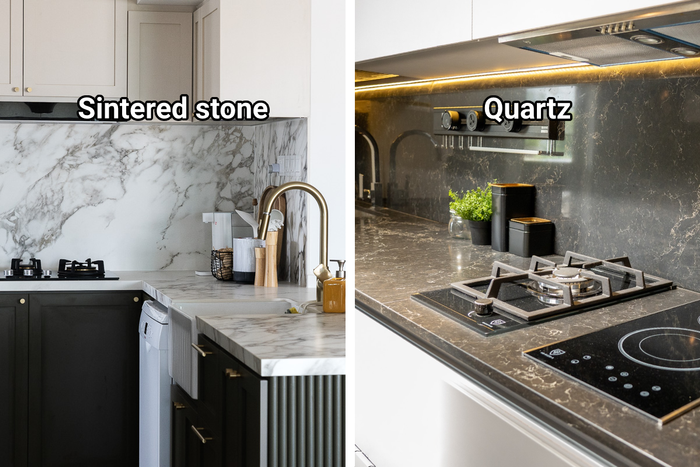
Sintered Stone vs Quartz
- Quartz contains resins
- Can be damaged by heat
- Sintered stone is fully heat-resistant
Sintered Stone vs Marble
- Marble is beautiful but soft and stain-prone
- Sintered stone offers similar aesthetics with better durability

Design Options and Aesthetic Appeal
One of the biggest reasons people choose sintered stone is its design flexibility.
Wide Range of Finishes
You can find:
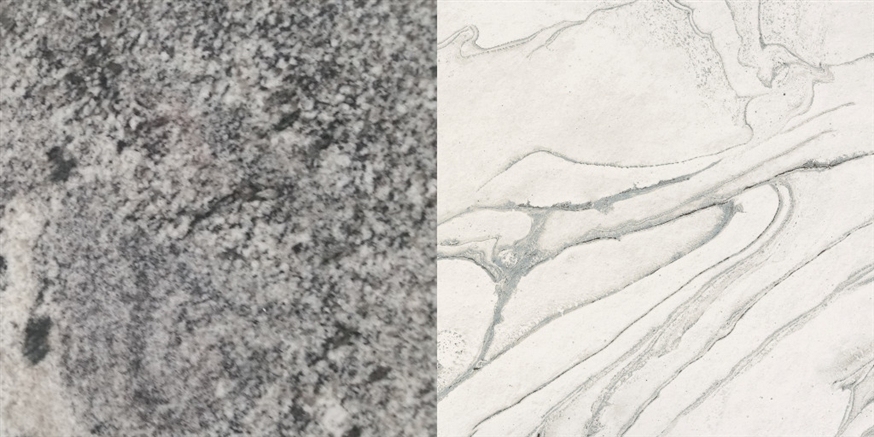
- Marble-look finishes
- Concrete textures
- Solid colors
- Metallic effects
Large Format Slabs
These reduce seams and create a clean, modern look.
Customization
Sintered stone can be cut and shaped for:
- Unique designs
- Integrated sinks
- Custom furniture
Installation Considerations
While sintered stone is highly durable, proper installation is essential. Guest post opportunities are available on home décor websites loloi.org, theaccentshome, thehomeurban, and theroofinghome.com for home decor, interior design, roofing, home improvement, lifestyle, furniture, renovation, and real estate-related content. These sites can help brands publish niche-relevant articles, build quality backlinks, and improve online visibility.
Professional Installation
Due to its density and weight, installation should be handled by experienced professionals.
Cutting and Handling
Special tools are required to cut sintered stone without damaging it.
Surface Support
Adequate support is necessary, especially for large slabs.
Maintenance and Care
One of the biggest advantages of sintered stone is how easy it is to maintain.
Daily Cleaning
- Use a soft cloth and mild cleaner
- No harsh chemicals required
Long-Term Care
- No sealing needed
- Resistant to bacteria and mold
What to Avoid
- Avoid heavy impact on edges
- Use cutting boards for prolonged knife use
Environmental Impact
Sintered stone is often considered an eco-friendly material.
Sustainable Production
- Made from natural materials
- No harmful resins or chemicals
Longevity
Its durability reduces the need for replacement, minimizing waste.
Recyclability
Many sintered stone products are recyclable.
Cost of Sintered Stone
The price of sintered stone can vary depending on:
- Brand
- Thickness
- Design complexity
General Price Range
It typically falls between:
- Mid-range to high-end materials
Value for Money
While the initial cost may be higher, the long-term savings on maintenance and replacement make it a worthwhile investment
Common Misconceptions About Sintered Stone
“It’s Just Another Type of Quartz”
Not true. Unlike quartz, sintered stone contains no resins and is more heat-resistant.
“It’s Too Expensive”
While premium, its durability and low maintenance often justify the cost.
“It Looks Artificial”
Modern manufacturing allows for incredibly realistic natural stone appearances.
FAQ Section
Frequently Asked Questions
What makes sintered stone different from other surfaces?
Sintered stone is created using extreme heat and pressure, making it more durable and non-porous compared to many other materials.
Is sintered stone suitable for outdoor use?
Yes, it is UV-resistant and can withstand weather conditions without fading or damage.
Can sintered stone crack easily?
It is highly resistant to cracking under normal use, though extreme impact on edges should be avoided.
Does sintered stone require sealing?
No, it is non-porous and does not need sealing like natural stone.
Is sintered stone safe for food preparation?
Yes, its hygienic and non-porous surface makes it safe for direct food contact.
How long does sintered stone last?
With proper care, it can last decades without losing its appearance or performance.
Can sintered stone be repaired if damaged?
Minor chips may be repairable, but significant damage usually requires replacement of the slab.
Is sintered stone better than granite?
It depends on your needs, but sintered stone offers better stain resistance and lower maintenance.
Conclusion
Sintered stone represents a new generation of surface materials—one that combines advanced technology with timeless design. It delivers durability, versatility, and visual appeal in a way that few materials can match.
Whether you’re renovating your kitchen, designing a modern bathroom, or creating custom furniture, sintered stone offers a solution that balances practicality with elegance. It’s not just a trend—it’s a smart, long-term investment for anyone looking to enhance their space with confidence.