

Introduction
There’s something undeniably captivating about rare houseplants—the kind that instantly draws attention the moment someone walks into your space. Alocasia jacklyn is one of those plants. With its striking, deeply lobed leaves and bold vein patterns, it feels more like a piece of living art than just another indoor plant.
If you’ve recently come across alocasia jacklyn, you’re probably wondering whether it’s as difficult to care for as it looks—or if it’s worth the hype. The truth is, while it’s not the easiest plant for beginners, it’s incredibly rewarding once you understand its needs.
This guide will walk you through everything you need to know—from basic care to advanced tips—so you can confidently grow and enjoy this stunning tropical beauty in your home.
What Is Alocasia Jacklyn?
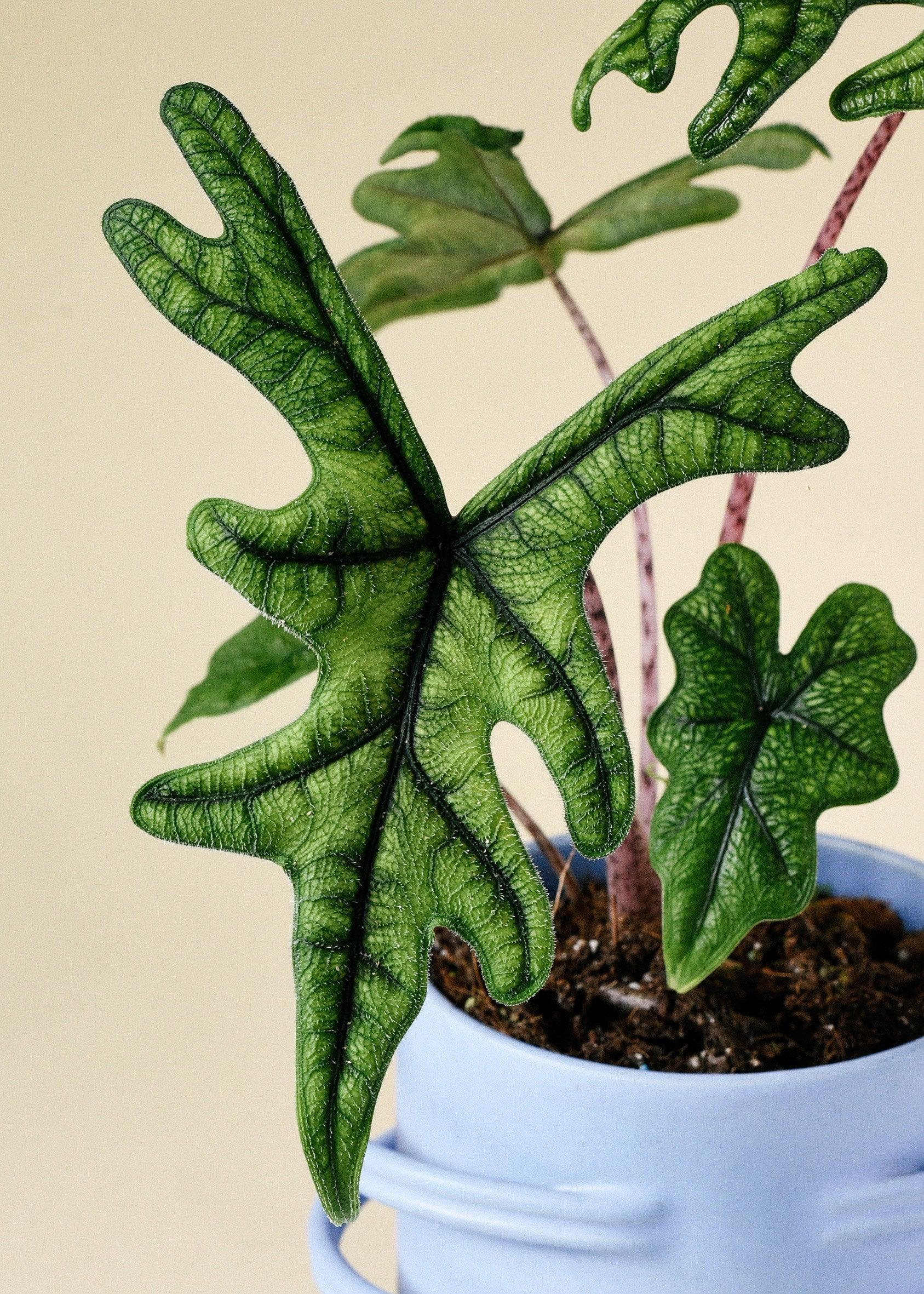
Alocasia jacklyn is a rare tropical plant native to Indonesia, particularly Sulawesi. It belongs to the Alocasia genus, known for dramatic foliage and bold textures. What sets this plant apart is its unique leaf structure—deeply lobed with dark, almost graphic veins running across a vibrant green surface.
Key Characteristics
- Deeply lobed, jagged leaves
- Bold, dark green veins
- Upright growth habit
- Compact but eye-catching structure
- Rare and highly sought-after
Unlike many common houseplants, alocasia jacklyn doesn’t blend into the background—it becomes the focal point.

Why Plant Lovers Are Obsessed With Alocasia Jacklyn
There’s a reason collectors are constantly hunting for alocasia jacklyn—it’s not just about rarity, it’s about personality.
Aesthetic Appeal
Its leaves look almost sculpted, giving your space a modern, designer feel. Whether placed in a minimal living room or a jungle-style plant corner, it instantly elevates the atmosphere.
Collector Value
Because alocasia jacklyn is still relatively rare, owning one feels special. It’s not the kind of plant you see everywhere, which makes it even more desirable.
Conversation Starter
Guests will notice it. They’ll ask about it. And you’ll get to explain how you care for such a unique plant—which, let’s be honest, feels pretty satisfying.
Ideal Growing Conditions for Alocasia Jacklyn
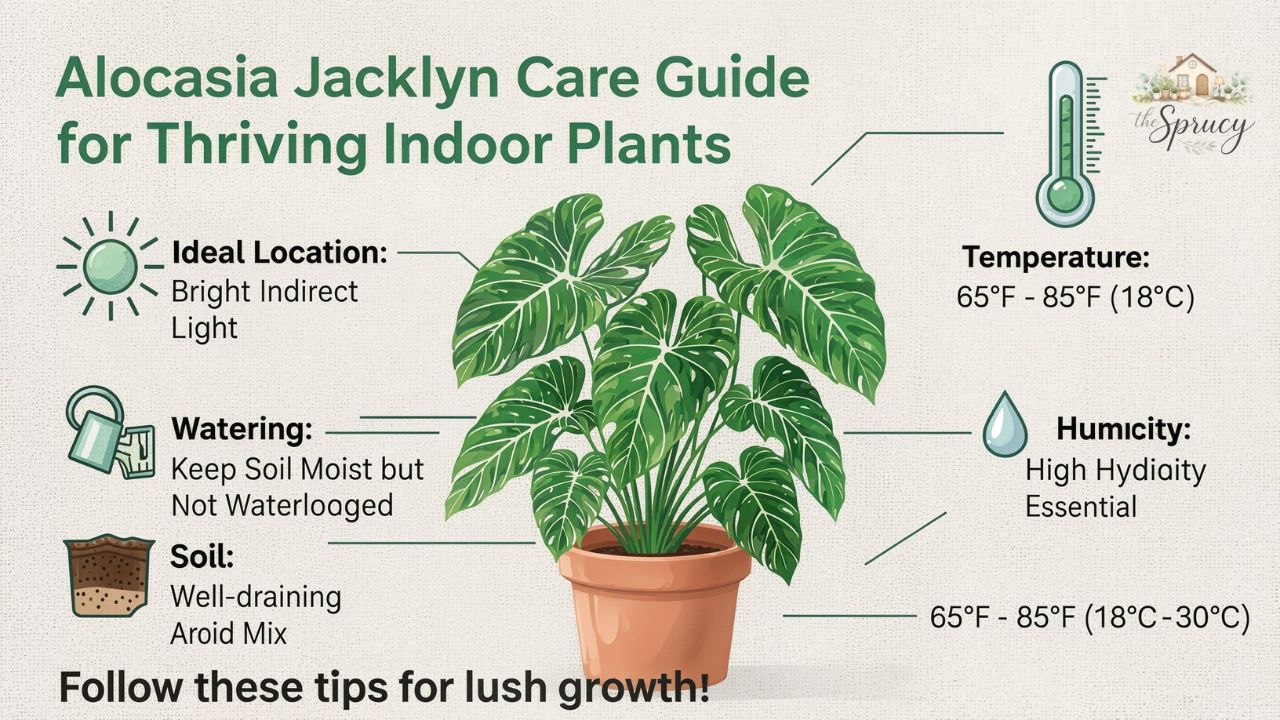
Understanding the environment this plant thrives in is key to success. Think tropical rainforest conditions—warm, humid, and bright but not harsh.
Light Requirements
Alocasia jacklyn prefers bright, indirect light. Direct sunlight can scorch its delicate leaves, while too little light can slow growth.
Best placements:
- Near an east-facing window
- A few feet from a south-facing window
- Under grow lights if natural light is limited
Temperature Needs
This plant loves warmth.
- Ideal range: 18–27°C (65–80°F)
- Avoid cold drafts and sudden temperature drops
Humidity Levels
Humidity is crucial for alocasia jacklyn.
- Aim for 60% or higher
- Use a humidifier or pebble tray
- Group plants together to boost moisture levels


Soil and Potting Mix
The right soil can make or break your experience with alocasia jacklyn.
Ideal Soil Mix
You want something airy and well-draining.
A good mix includes:
- 40% potting soil
- 30% perlite or pumice
- 20% orchid bark
- 10% coco coir
This combination allows roots to breathe while retaining enough moisture.
Pot Selection
- Use pots with drainage holes
- Terracotta helps prevent overwatering
- Avoid overly large pots—this can lead to root rot
Watering Alocasia Jacklyn Properly
Watering is where most people struggle with alocasia jacklyn.
How Often to Water
Water when the top 2–3 cm of soil feels dry.
General rule:
- Summer: once or twice a week
- Winter: less frequent
Signs of Overwatering
- Yellowing leaves
- Mushy stems
- Root rot smell
Signs of Underwatering
- Drooping leaves
- Crispy edges
- Slow growth
Consistency is key—this plant prefers slightly moist soil, not soggy or bone dry.
Fertilizing for Healthy Growth
Feeding your alocasia jacklyn helps maintain its vibrant foliage.
Best Fertilizer
Use a balanced liquid fertilizer (e.g., 10-10-10 or 20-20-20).
Feeding Schedule
- Every 2–4 weeks during growing season (spring/summer)
- Reduce or stop in winter
Avoid over-fertilizing—it can burn the roots.
Common Problems and Solutions
Even experienced plant owners face challenges with alocasia jacklyn.
Yellow Leaves
Causes:
- Overwatering
- Poor drainage
- Lack of nutrients
Brown Edges
Causes:
- Low humidity
- Inconsistent watering
- Salt buildup
Pests
Common pests include:
- Spider mites
- Aphids
- Mealybugs
Solution:
- Wipe leaves regularly
- Use neem oil or insecticidal soap
Propagation Guide
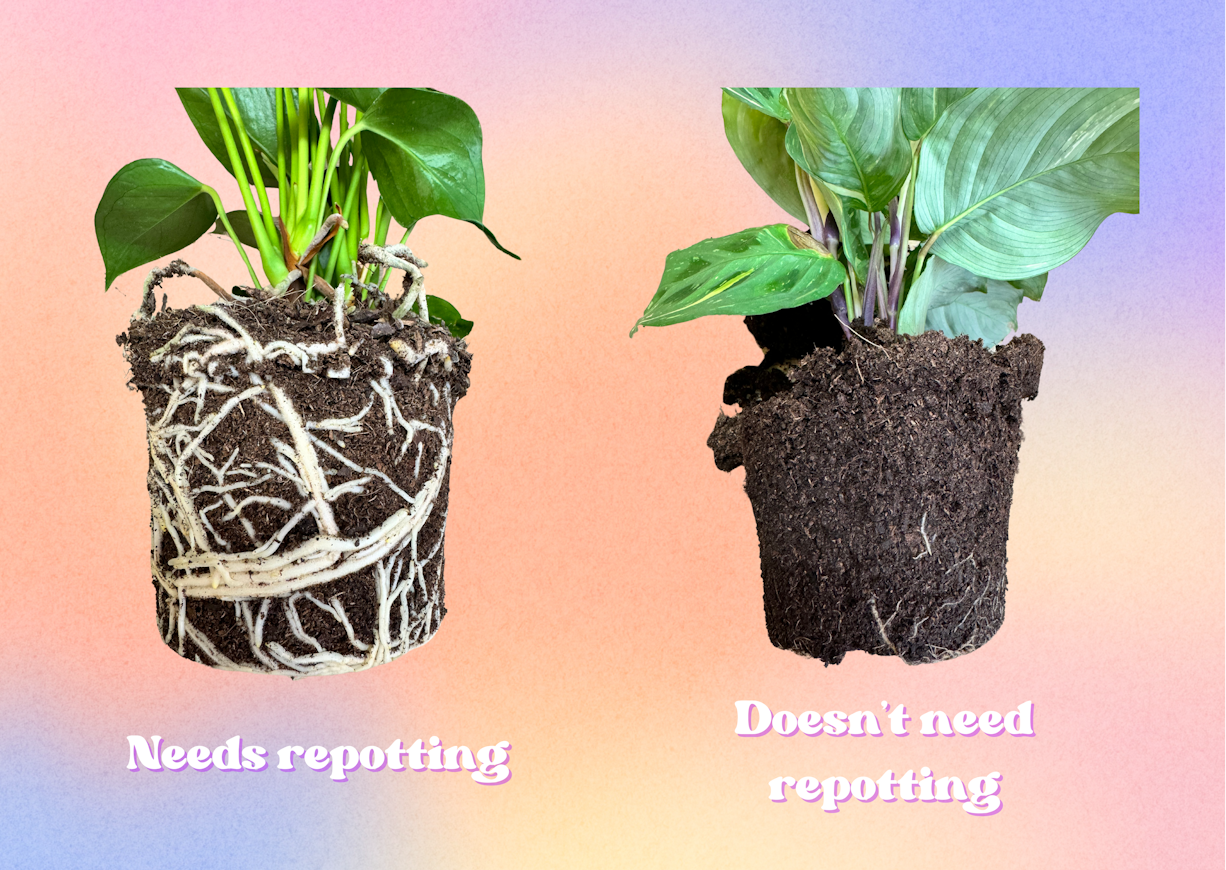
Propagating alocasia jacklyn is possible but requires patience.
Division Method
This is the most reliable way.
Steps:
- Remove the plant from its pot
- Gently separate rhizomes
- Ensure each division has roots
- Repot in fresh soil
Tips for Success
- Propagate during growing season
- Keep humidity high
- Avoid disturbing roots too much

Styling and Placement Ideas
Once your alocasia jacklyn is thriving, it’s time to show it off.
Interior Design Ideas
- Place in a minimalist corner for contrast
- Pair with neutral pots for a modern look
- Combine with other tropical plants for a jungle vibe
Best Rooms
- Living room with natural light
- Bedroom near a window
- Home office for a calming effect
Is Alocasia Jacklyn Beginner-Friendly?
Let’s be honest—alocasia jacklyn isn’t the easiest plant.
Pros
- Stunning appearance
- Unique foliage
- High decorative value
Cons
- Sensitive to watering
- Requires high humidity
- Prone to pests
If you’re willing to learn and adapt, it’s absolutely worth it.
Seasonal Care Tips
Your alocasia jacklyn will behave differently throughout the year.
Spring & Summer
- Active growth
- Increase watering and feeding
- Monitor for pests
Fall & Winter
- Growth slows
- Reduce watering
- Stop fertilizing
Some plants may even go dormant—don’t panic if leaves drop.
FAQ
Frequently Asked Questions About Alocasia Jacklyn
What makes alocasia jacklyn different from other Alocasias?
Its deeply lobed leaves and bold vein patterns give it a more sculptural and dramatic appearance compared to smoother-leaf varieties.
How fast does alocasia jacklyn grow?
It grows moderately fast during warm months but slows significantly in winter.
Can alocasia jacklyn survive low light?
It can survive but won’t thrive. Growth will slow, and leaves may lose vibrancy.
Why are my alocasia jacklyn leaves drooping?
This is often due to watering issues—either too much or too little.
Is alocasia jacklyn toxic to pets?
Yes, it is toxic if ingested, so keep it out of reach of pets and children.
Can I grow alocasia jacklyn outdoors?
Only in warm, humid climates. Otherwise, it’s best kept indoors.
How do I increase humidity for my plant?
Use a humidifier, mist occasionally, or place it near other plants.
Should I mist alocasia jacklyn?
Misting can help slightly, but consistent humidity from a humidifier is more effective.
Conclusion
Caring for alocasia jacklyn is a journey—one that challenges you, teaches you, and ultimately rewards you with one of the most visually striking plants you can own. It’s not just about keeping it alive; it’s about understanding its rhythm, responding to its needs, and watching it flourish under your care.
If you’re ready to step beyond basic houseplants and embrace something truly unique, this plant is worth every bit of effort.