

Introduction
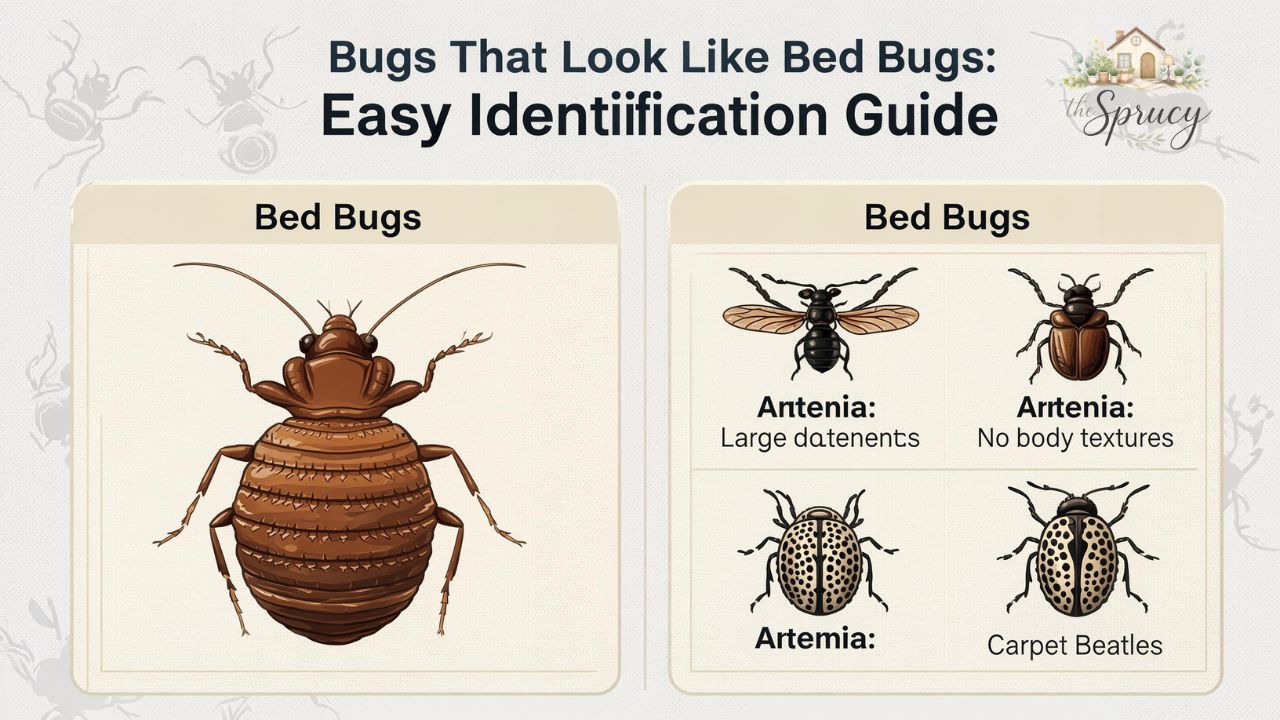
You wake up with itchy bites and immediately panic—are these bed bugs? The truth is, many bugs that look like bed bugs can easily fool even the most careful homeowner. That confusion can lead to unnecessary stress, wasted money, or worse—ignoring a real infestation.
The problem is more common than you think. Several insects share similar size, shape, or color with bed bugs, making identification tricky without a closer look. Misidentifying them can delay proper treatment or lead you down the wrong pest control path.
Understanding the differences matters. Not every small brown bug is a bed bug, and not every bite tells the same story. This guide will walk you through the most common lookalikes, how to tell them apart, and what to do if you find them in your home.
Common Bugs That Look Like Bed Bugs
Many insects resemble bed bugs at first glance. The key is to notice subtle differences in body shape, behavior, and habitat.
Carpet Beetles
Carpet beetles are often mistaken for bed bugs due to their small size and presence in homes.
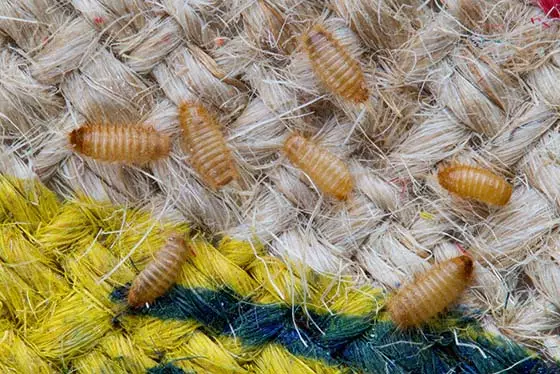
Unlike bed bugs, carpet beetles:
- Have a more rounded or oval shape
- Often display patterns or lighter colors
- Feed on fabrics, not blood
Their larvae can cause skin irritation, which is why people sometimes confuse them with bed bug bites.
Spider Beetles
Spider beetles have a bulbous body and long legs, giving them a spider-like appearance.
They differ from bed bugs in that:
- Their bodies are more spherical
- They are often reddish-brown or shiny
- They prefer stored food over human blood
Although they may crawl near beds, they are not parasitic.
How to Identify Bugs That Look Like Bed Bugs

Accurate identification is essential before taking action.
Physical Appearance
Bed bugs have:
- Flat, oval-shaped bodies
- Reddish-brown color
- Visible segmentation
Lookalikes often differ in one or more of these traits. For example, beetles tend to be more rounded and shiny.
Behavior Patterns
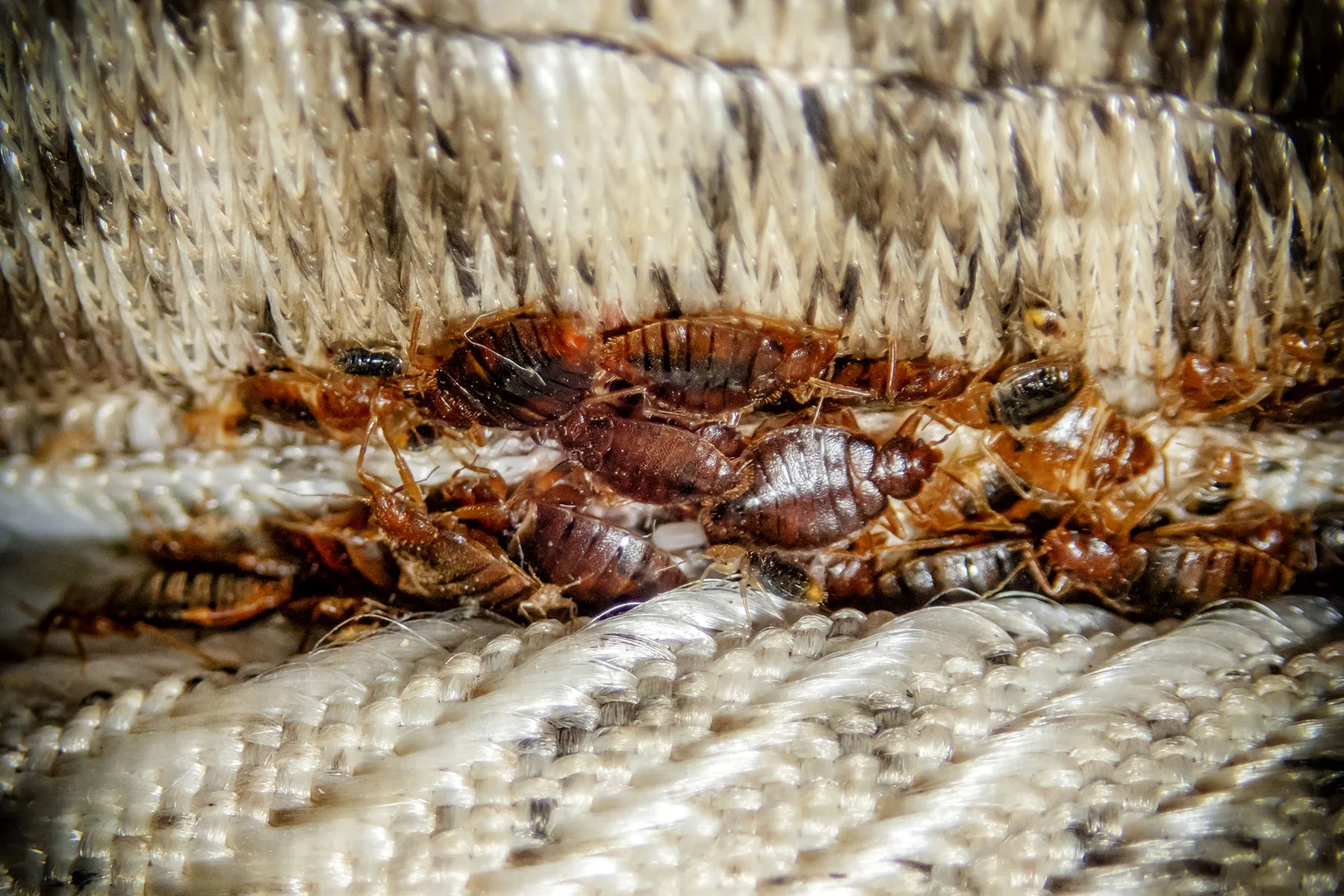
Bed bugs:
- Are nocturnal
- Hide in mattress seams, cracks, and furniture
- Feed exclusively on blood
Other bugs may:
- Be active during the day
- Live in carpets, food storage, or damp areas
- Feed on organic matter instead of humans
Bite Patterns
Bed bug bites often appear:
- In clusters or lines
- On exposed skin areas
- With intense itching
Other insects may cause random or less noticeable irritation.
Detailed List of Bugs That Look Like Bed Bugs
Bat Bugs
Bat bugs are nearly identical to bed bugs in appearance.
Key differences:
- Slightly longer body hairs
- Prefer bats as hosts
If bats are present in your home, these could be the culprit.
Booklice (Psocids)
Booklice are tiny and pale, often found in humid areas.
They:
- Feed on mold and mildew
- Do not bite humans
- Thrive in damp conditions
Their small size can lead to confusion with young bed bugs.
Fleas
Fleas are another common misidentification.

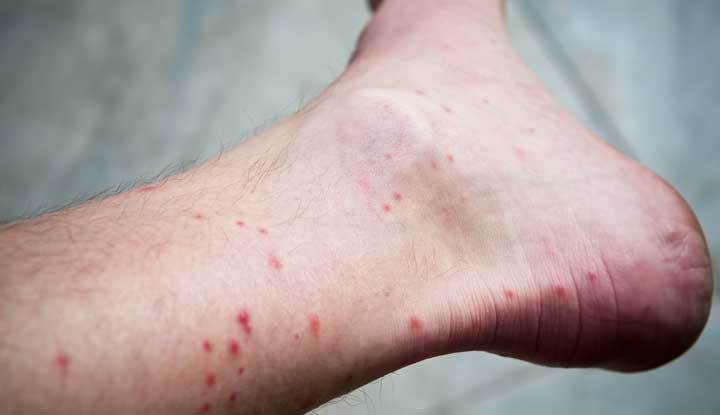
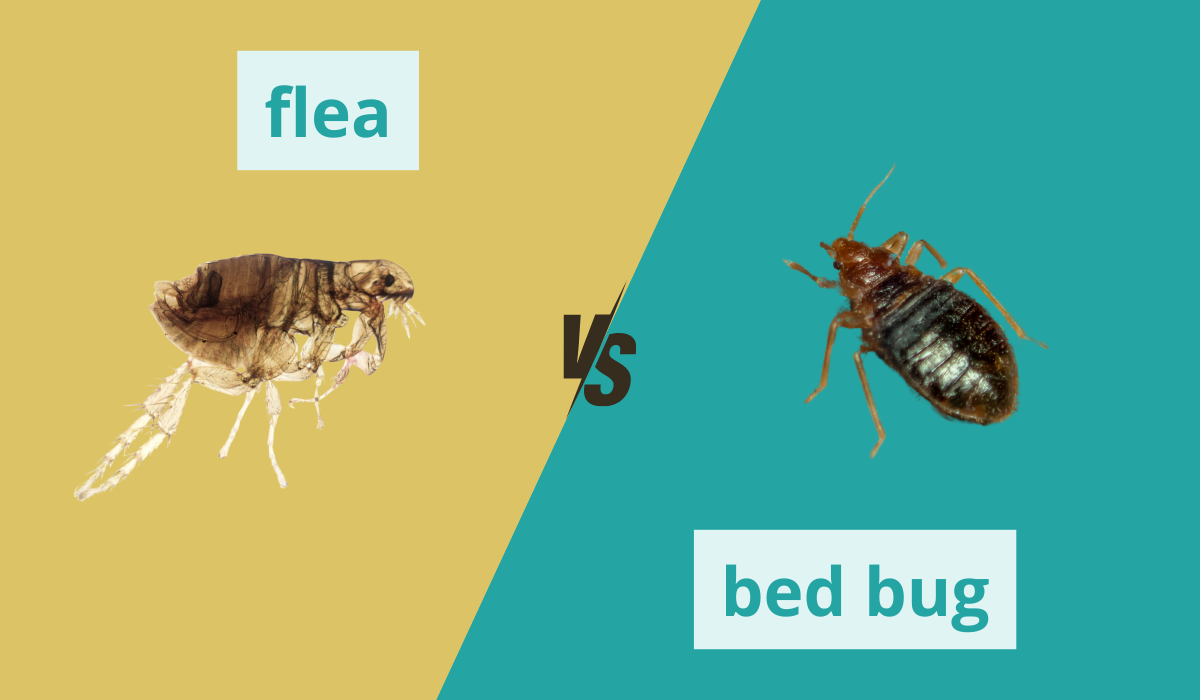
Unlike bed bugs:
- Fleas jump
- Are more narrow and darker
- Prefer pets as hosts
Their bites are usually concentrated around ankles.
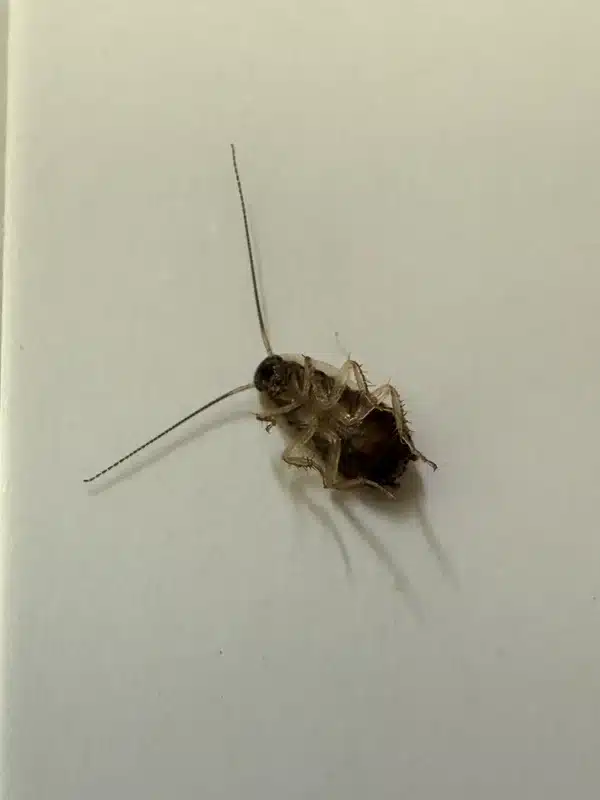
Cockroach Nymphs
Young cockroaches can resemble bed bugs.
Differences include:
- Faster movement
- Longer antennae
- Different body structure
They are typically found in kitchens or damp areas rather than beds.
Why You Might Be Seeing Bugs That Look Like Bed Bugs
Several factors can explain why these insects appear in your home.
Environmental Conditions
- Warm, humid environments attract many pests
- Clutter provides hiding spots
- Poor ventilation encourages infestations
Travel and Secondhand Items
Bringing home used furniture or luggage can introduce insects that resemble bed bugs—even if they aren’t.
Seasonal Changes
Some bugs become more active during warmer months, increasing the chances of encountering them indoors.
How to Confirm If It’s Actually Bed Bugs
If you suspect bed bugs, don’t rely on appearance alone.
Signs of Infestation
Look for:
- Small blood stains on sheets
- Dark fecal spots
- Shed skins
- A musty odor
Professional Inspection
A pest control expert can:
- Identify the exact insect
- Recommend treatment
- Prevent misdiagnosis
Prevention Tips to Avoid Confusion
Avoid dealing with bugs that look like bed bugs by keeping your home well-maintained.
Clean Regularly
- Vacuum carpets and furniture
- Wash bedding frequently
- Reduce clutter
Inspect New Items
- Check secondhand furniture carefully
- Examine hotel beds while traveling
- Keep luggage elevated
Control Humidity
- Use dehumidifiers
- Fix leaks promptly
- Improve ventilation
FAQ
What bugs are most commonly mistaken for bed bugs?
Carpet beetles, fleas, bat bugs, and cockroach nymphs are among the most common insects confused with bed bugs.
Do all bugs that look like bed bugs bite humans?
No, many do not bite at all. Some feed on fabric, mold, or food instead of blood.
How can I tell if bites are from bed bugs?
Bed bug bites usually appear in clusters or lines and are often found on exposed skin.
Are carpet beetles dangerous?
They are not harmful in terms of biting, but their larvae can damage fabrics and cause skin irritation.
Can fleas live in beds like bed bugs?
Fleas prefer pets and carpets but can occasionally be found in bedding.
Do bed bugs jump like fleas?
No, bed bugs crawl. Jumping is a key sign you’re dealing with fleas instead.
Should I call a professional immediately?
If you’re unsure or suspect an infestation, professional inspection is the safest option.
Can I treat lookalike bugs the same way as bed bugs?
No, treatment depends on the specific insect. Misidentification can lead to ineffective solutions.
Conclusion
Mistaking other insects for bed bugs is easier than most people expect. With so many bugs that look like bed bugs, it’s important to slow down and observe the details before jumping to conclusions. A careful inspection can save you time, money, and unnecessary stress.
By understanding their differences—whether it’s behavior, appearance, or habitat—you can take the right steps toward solving the problem. And if there’s ever doubt, getting expert help ensures you’re addressing the issue correctly from the start.